Monday, 29 December 2014
Wednesday, 24 December 2014
Saturday, 13 September 2014
Indira Gandhi with Gurubari Mirdha, the Sambalpuri dancer in 1970
 |
| Indira Gandhi,Prime Minister with Gurbari Mirdha 1970 |

Sunday, 29 June 2014
After Sixty Years of Completion of Hirakud Dam the Oustees are yet be paid compensation
କ୍ଷତିପୂରଣ ବଦଳରେ ଅନୁକମ୍ପା ?
ପୂର୍ବତନ ବିଧାୟକ ପ୍ରସନ୍ନ ପଣ୍ଡା ଙ୍କ ୨୨୭୬ ନମ୍ବର ପ୍ରଶ୍ନର ଉତ୍ତରରେ ତତ୍କାଳୀନ ରାଜସ୍ୱ ମନ୍ତ୍ରୀ ୨୬ ମାର୍ଚ୍ଚରେ ୧୯୮୭ରେ କହିଥିଲେ ଯେ, ୯୯୧୩ ରୟତ ଙ୍କ ଜମି ଦଖଲ କରିଥିଲେ ମଧ୍ୟ ସେମାନଙ୍କ କ୍ଷତିପୂରଣ ଦିଆଯାଇନାହିଁ। xxx ଏହି ଟଙ୍କା ରାଜସ୍ୱ ଆକାରରେ ଜମା ଗଚ୍ଛିତ ଅଛି।xxx କ୍ଷତିପୂରଣ ଦିଆଯିବ। ଏହା ବିଧାନସଭା ବିବରଣୀରେ ସ୍ଥାନିତ।
କ୍ଷତିପୂରଣ ଓ ଥଇଥାନ ସକାଶେ ହୀରାକୁଦ ବିସ୍ଥାପିତଙ୍କ ସକାଶେ ୧୯୮୯ରେ ଏକ ପ୍ରତିଶ୍ରୁତି କମିଟି ଗଠନ କରାଗଲା। ପୂର୍ବତନ ବିଧାୟକ ରାମଚନ୍ଦ୍ର ଉଲାକା ଏହାର ଚେୟାରମେନ ଥିଲେ। ସେହି କମିଟି ତାଙ୍କର ରିପୋର୍ଟ ୧୫ ଡିସେମ୍ବର ୧୯୮୯ ରେ ବିଧାନସଭାରେ ଉପସ୍ଥାପନା କଲେ। କମିଟିର ସୁପାରିଶ ଅନୁସାରେ, ମାର୍ଚ୍ଚ ୧୯୯୦ ସୁଦ୍ଧା କାର୍ଯ୍ୟକାରୀ କରିବା କଥା। ପ୍ରତିଶ୍ରୁତି କମିଟି ରିପୋର୍ଟରେ ୯୯୧୩ କ୍ଷ୍ୟତିଗ୍ରସ୍ତଙ୍କୁ କ୍ଷତିପୂରଣ ମିଳି ନ ଥିବାର ଉଲ୍ଲେଖ ଅଛି। ଆଜିସୁଦ୍ଧା କମିଟିର ସୁପାରିଶ କାର୍ଯ୍ୟକାରୀ କରାଗଲା ନାହିଁ।
୧୯୯୩ ରେ କ୍ଷତିପୂରଣ ଦେବା ସକାଶେ ଏକ ଉଚ୍ଚ ଶକ୍ତିସମ୍ପନ୍ନ କମିଟି ଗଠନ କରାଗଲା। ଉକ୍ତ କମିଟି କ୍ଷ୍ୟତିଗ୍ରସ୍ତ ଲୋକଙ୍କ ସଂଖ୍ୟା ୯୯୧୩ ରୁ ୮୭୪୪ କୁ ଖସେଇଦେଲେ। କାହିଁକି ଏହି ସଂଖ୍ୟା କମିଲା ଜଣାପଡୁନାହିଁ। କାରଣ ଆମେ ଜାଣିବାରେ ୧୯୮୯ରୁ ୧୯୯୩ ମଧ୍ୟରେ କାହାରିକୁ କ୍ଷତିପୂରଣ ଦିଆଯାଇନାହିଁ। ଯେହେତୁ ଜିଲ୍ଲା କଲେକ୍ଟର ଜମିଅଧିଗ୍ରହଣ ଓ କ୍ଷତିପୂରଣ ପାଇଁ ଥରେ ଆଦେଶ ଦେଇ ସାରିଛନ୍ତି, ଆଉ ଥରେ ଆଦେଶ ଦେଇପାରିବେ ନାହିଁ। ସେଥିପାଇଁ କ୍ଷତିପୂରଣ ବଦଳରେ ଅନୁକମ୍ପା ଦେଇପାରିବେ। ଆମେ ଯେତିକି ଜାଣିଛୁ, ଦୁସ୍ଥ ଲୋକଙ୍କୁ ଅନୁକମ୍ପା ଦିଆଯାଏ। ୟାର ଅର୍ଥ ହେଲା ଯେଉଁମାନେ ଦେଶର ହିତ ସକାଶେ ସର୍ବସ୍ଵ ତ୍ୟାଗ କଲେ ସେମାନେ ସରକାରଙ୍କ ଦୃଷ୍ଟିରେ ଦୁସ୍ଥ।
୧୯୯୩ ରେ ସେହି କମିଟି ଧାର୍ଯ୍ୟ କଲା କ୍ଷତିଗ୍ରସ୍ତଙ୍କୁ ଏକର ପିଛା ୧୦ହଜାର ଟଙ୍କା ହିସାବରେ ଅନୁକମ୍ପା ଦିଆଯିବ। ୧୯୯୩ ରେ ଯେଉଁ ଦର ଧାର୍ଯ୍ୟ ହୋଇଥିଲା, ଆଜି ପର୍ଯ୍ୟନ୍ତ ୨୦୧୪ରେ ସେହି ଦରରେ ଅନୁକମ୍ପା ଧାର୍ଯ୍ୟ ହୋଇଛି। କମିଟି ସ୍ଥିର କଲେ ,ଯେଉଁ ମାନଙ୍କୁ ୧୦୦ ଟଙ୍କାରୁ କିମ୍ବା ତାହାଠାରୁ କମ ମିଳିବା କଥା ,ସେମାନଙ୍କୁ ବାଦ ଦିଆଯାଉ। ଜଣେ ବିସ୍ଥାପିତ ଗୋଟିଏ ଗଛକୁ ପାଞ୍ଚ ଟଙ୍କା ଦରରେ ନେବାକୁ କାହିଁକି ଆସିବ? ଉଚ୍ଚସ୍ତରୀୟ କମିଟି ସ୍ଥିର କଲେ କୁପ, ଗଛ, ଗୌନ୍ତି ଭାଗଦିଆଯିବ ନାହିଁ। ସେଥିଯୋଗୁଁ ଦୁସ୍ଥ ଲୋକଙ୍କ ସଂଖ୍ୟା ଆଉ ଥରେ ଖସିଲା ୮୭୪୪ ରୁ ୩୫୪୦କୁ। ସରକାର ଏବେ ଦୁସ୍ଥ ଲୋକଙ୍କୁ ଅନୁକମ୍ପା ମଧ୍ୟ ନ ଦେବା ପାଇଁ କୁଆଡେ ସ୍ଥିର କରିଛନ୍ତି। ଯେଉଁ ଦୁସ୍ଥ ଲୋକମାନେ ସମ୍ବାଦପତ୍ରରେ ବିଜ୍ଞାପନ ଦେଖି ପାରିଲେ ନାହିଁ, କିମ୍ବା ଅନୁକମ୍ପା ନେବାକୁ ଆସିଲେ ନାହିଁ, ସେମାନଙ୍କୁ ଆଉ ଅନୁକମ୍ପା ଦିଅଯାଇପାରିବ ନାହିଁ। ଟଙ୍କା ଫେରାଇଦିଆଗଲା। ସରକାର ଙ୍କ ଏ କି ପ୍ରକାର ନିଷ୍ପତ୍ତି? ସେମାନେ ସମ୍ବାଦପତ୍ରରେ ବିଜ୍ଞାପନ ଦେଖିବେ କେମିତି? ବିସ୍ଥାପିତ ଙ୍କ ବଂଶଧର କିଏ ରହୁଛି ଛତିଶଗଡରେ,ଆଉ କିଏ ଝାଡଖଣ୍ଡରେ।
ପ୍ରସନ୍ନ ପଣ୍ଡା ତତ୍କାଳୀନ ରାଜସ୍ୱ ମନ୍ତ୍ରୀ ଙ୍କ ସହିତ ୧୭ ଡିସେମ୍ବର ୧୯୯୬ରେ କ୍ଷତିପୂରଣ ସମ୍ପର୍କରେ ଆଲୋଚନା କରିଥିଲେ। ସେଇ ସଭା ରେ ସ୍ଥିର ହୋଇଥିଲା, କଲେକ୍ଟର ସ୍ତରରେ ବିସ୍ଥାପିତଙ୍କୁ କ୍ଷତିପୂରଣ ଦେବା ସକାଶେ ସ୍ପେସିଏଲ ସେଲ ଗଠନ କରାଯିବ । କାହିଁକି ଆଜି ପର୍ଯ୍ୟନ୍ତ ସେଲ ଗଠନ କରାଯାଇନାହିଁ। ସରକାର ଭୁଲି ଯାଉଛନ୍ତି, ହୀରାକୁଦ ବିସ୍ଥାପିତଙ୍କୁ କ୍ଷତିପୁରଣ ନ ଦେବାପର୍ଯ୍ୟନ୍ତ ଆଉ କୌଣସି ଡେମ ନିର୍ମାଣ କରିବା ଅସମ୍ଭବ।
୧୯୫୫-୫୬ ରେ ବିସ୍ଥାପିତମାନଙ୍କୁ ଖୋଜି ଖୋଜି ବିନା କ୍ଷତିପୂରଣରେ ତାଙ୍କ ଭିଟାମାଟିରୁ ବେଦଖଲ କରଯାଇଥିଲା। ପୋଲିସ ସାହାଯ୍ୟରେ ତଡିଦିଆଗଲା। ଯେଉଁମାନେ ଦେଶ ପାଇଁ ତ୍ୟାଗ କରିଛନ୍ତି, ସେମାନଙ୍କୁ ଅନୁକମ୍ପା ନ ଦେଇ କ୍ଷତିପୂରଣ ଦିଆଯାଉ। ସମ୍ବାଦପତ୍ର ବିଜ୍ଞାପନ ମାଧ୍ୟମରେ ନୁହେଁ, ଖୋଜି ଖୋଜି କ୍ଷତିପୂରଣ ଦିଆଯାଉ।
Tuesday, 13 May 2014
Sambalpur Hiteishini the first news paper in Western Odisha was published in Deogarh by Raja Basudev Sudhal Dev
Sambalpur
Hiteishini , the first weekly Odiya newspaper
in Western Odisha was published in 1889 May 30th from Jagannath
Ballav Press, Deogarh by Raja Basudev Sudhala Dev . During that period,
Sambalpur area was in Central Province. Nilamani
Bidyaratna was editor of the news paper .
‘Sambalpur Hiteishini’ was feeding news on contemporary social conditions,
development of agricultural system, need for co-operatives, industries, commerce, transport, prohibition
, female education , national and international news. Poets like Gangadhar Meher
, Fakir Mohan Senapati, Radha Nath
Rai enriched ‘Sambalpur Hiteishini’
through their poetry, and writings.
Sudhala
Press was firstly established in Cuttack in 1885. Sansaraka, and Sebaka were
being published at Sudhala Press, Cuttack. Later on, Sudhala Press was shifted
to Deogarh, and it was renamed as
Jagannath Ballav Press. Sansaraka & Sebaka were published at Jagannath Ballav Press, after
its establishment. In 1911, this Press was renamed as Hiteishini Electric
Machine Press, after an electric machine
was installed in the press building. This was named as Electric Press from 1923
to 1948 . Last copy of ‘Sambalpur Hiteishini’
was published in 1923, and then
Sambalpur Hiteishini was closed. Raja Bhanuganga Tribhubandev published ‘Sankha’
from this Press. Poet Dr Mayadhar Mansingh was the Editor of ‘Sankha’. In 1948,
the state of Deogarh was merged into the state Odisha and in the process, this
press was owned by Government of Odisha.
Government of Odisha shifted two printing
machines in April 2014, from Deogarh to Cuttack, had earlier shifted two
printing machines to Cuttack. Government of Odisha wanted to establish a museum at Cuttack and
preserve those in the said museum.
Public from Deogarh
demanded
that a museum should be established at Deogarh and the printing machines should be preserved for future, should not be shifted to Cuttack.
Wednesday, 5 February 2014
Laxminath Bejbarua and his stay at Sambalpur
Laxminath Bejbarua (1868-1938):
Came Sambalpur in 1917 stayed up to 1937
 |
| Laxminath |
On 14th October
1868 (Lakmi Purnima night ), Lakminath Bejbarua was born at Nagaon in Assam. He
passed away at Dibrugad on 26th March 1938. He passed out Matriculation from Shibsagar
Government High School. He did his graduation from City College, Kolkata and
M.A. and B.L from Kolkata University.
Sahityarathi Laxminath was
born in Assam, educated in West Bengal and service and literary activity at
Sambalpur.
His contribution to Sambalpur was immense, but Sambalpur did not remember him properly. It is learnt that, his house at Sambalpur has been sold by his daughter Aruna to a local person. Now, it is occupied by a State Government office, after the lease expired. The land is disputed and the related case is lying in the Odisha High Court. It is learnt that, Assam Government wants to spend more than Rupees One Crore in this land at Sambalpur ,and build a Smruti Bhawan in the memory of Sahityarathi Laxminath Bejbarua. As such, Orissa Government should not be silent on the matter.
His contribution to Sambalpur was immense, but Sambalpur did not remember him properly. It is learnt that, his house at Sambalpur has been sold by his daughter Aruna to a local person. Now, it is occupied by a State Government office, after the lease expired. The land is disputed and the related case is lying in the Odisha High Court. It is learnt that, Assam Government wants to spend more than Rupees One Crore in this land at Sambalpur ,and build a Smruti Bhawan in the memory of Sahityarathi Laxminath Bejbarua. As such, Orissa Government should not be silent on the matter.
 |
| Laxminath |
Laxminath Bejbarua was posted
by Bird Company to send timber products from Sambalpur area. He came on
September 4th 1917 to Sambalpur . He started his own business of
timber products and continued to stay for long period of 20 years. When he
first arrived, he stayed with Jogendra Nath Sen, the Government Pleader. Saroj
kumari Devi, wife of J.N.Sen was very hospitable. Then he stayed with Dr
Janardan Pujari ,then in a rented house at Kunjelpada.
Laxminath had married to Pragyasundari Devi, the
niece of poet Rabindra Nath Tagore. Rabindra Nath Tagore’s wife had come to
Sambalpur and stayed with Laxminath for some days. On 20th November
1920, his eldest daughter Aruna got married to Satyabrata Mukherji of Kolkatta.
On 23rd November 1928 , his second daughter Ratna got married to
Mohini Kumar Barua of Dibrugad. On this occasion, Chandra Kumar Agrawal from
Sambalpur had visited with his family. His third daughter Dipika got converted
to Christian religion in 1932, which he did not appreciate, as learnt from his
auto-biography.
Laxminath was a council member
In Sambalpur Municipality. He also assisted in construction of the Municipal
Building. He was the Chairman of Executive body of Girls High School. He was
interested in making arrangement and acting himself in drama at Sambalpur. He
organized Rabindranath Tagore’s drama “ Kalamrugaya”, and acted as ‘Japu’.
Many people called him as
‘Japu’da after acting as ‘Japu’. He was also interested in hunting. His friends for hunting were the
Deputy Commisioner, forest contractor Mohammad Khan, Narsingh Pradhan of
Gadgadbahal and others.
 |
| His residence at Sambalpur |
‘Jayamati’ the first film in Assamese language was based
on his drama book ’ Jayamati Kuanri’ . Shooting of the film was done between 1933 to 1935. In
total, production charges of the film was Rs Fifty Thousand only. Jyoti Prasad
Agrawal was producer and director . On 1935 March 10, it was released in Ronak
theater.
Laxminath left Sambalpur on 18th
August 1937 on way to Dibrugad to stay with his second daughter Ratna. At
Dibrugad, he passed away on 26th March 1938.
 |
| Postage Stamp |
 |
| With Family |
 |
| Present look-One of his Houses |
Sunday, 1 December 2013
Dr Kasinath Singh : He came from Uttarpradesh, stayed at Samblpur till expiry. Contributed entire property to Sambaplur public
Dr Kashinath
Singh
( This article is based on the book written by
Eminent historian Shankar Prasad Padhi ‘Danabira Dr Kasinath Singh’)
The political agent
Captain Hignis was unable to suppress
the revolution against the East India Company , raised by Vir Surendra Sai . On request , Captain Wikins
came with the soldiers from Hazaribag. Along
with the soldiers came Dr Kashinath Singh to Sambalpur . Dr Kasinath Singh
treated the members of royal family , when Narayan Singh was the king of Sambalpur
. He treated royal princes Ashakumari Devi, when she became serious . The King was
pleased with Dr Kasinath Singh, and gifted him with a lot of land.
In 1853, Col. Emerson joined as District Magistrate. During his
incumbency, there occurred rampant cholera in Sambalpur town and its adjacent places . The clerks and other office staff
absented themselves, due to cholera . The District Magistrate himself was bed
ridden due to cholera, and could not attend the office. As such, all offices
were closed in 1853.
The District Magistrate Col. Emerson proposed a dispensary and a guest
house (dharmasala) at Sambalpur . Prior to it, the public were used to the aurvedic medicine . It was approved by higher
authorities with the condition that when public of Sambalpur contribute Rs
2000, then the administration would contribute Rs 100. On 1854 August 7th,
the then Commissioner W.J.Elen wrote to
the then Dewan of Sambalpur Rai Rup Singh
Babu to raise funds for the dispensary and dharmashala. Due to sincere efforts
of Rup Singh Babu , first dispensary and one dharmasala were established at Sambalpur. In reply to
proposal sent by vide letter dated January 30th 1855, the
Commissioner sanctioned for the same ,
vide letter dated February 21st 1855 ,along with the details of
payment to the native doctor and other staff.
Dr Kashinath Singh served the
public of Sambalpur , when cholera broke out in Sambalpur, in 1853. He got
commendation for his service from the Commissioner ,vide letter dated August 14th
1854 . Dr Kashinath Singh was
appointed as the doctor of the first dispensary of Sambalpur .
Dr Kasinath Singh hailed from the village Baisotyara in Kanpur district
, Uttarpradesh. Medical profession dragged him to Sambalpur . He was the son of
Gurudayal Singh. He earned a lot of properties at Sambalpur . He remained a bachelor. He had
none to succeed him. Before his expiry. Through a deed, he dedicated all his properties to the public of Sambalpur. The deed was signed on 23rd December
1874 in presence of witnesses Padmalochan Sahani, Maharagu Mahapatra, Govinda Mishra, Chandra Mishra , and
Jagannath Panda.
Kashinath Trust presently
functions at Sambalpur, with Sri Madhab Chandra Panda,Advocate as the President and Sri Panigrahi,
Advocate as Secretary of the trust. Dr Kasinath Singh contributed about
250 Acres of land mostly located at villages Jander , Chichinda , near Bargarh , and some in another village near Sason . Kasinath High School is being managed by the
Kasinath Trust . Timni Gudi (temple) and some market complex (constructed
recently near Sambalpur Municipality Office) are also being managed by the
Trust . One Kalyan Mandap also has been
constructed by Government of Odisha over
the land of Kasinath Trust a decade back, near Jail Chowk and lot of vacant land
still available nearby . It is proposed
to install a statue of Kasinath Singh in a suitable place to show respect to a
great soul like him.
Tuesday, 11 June 2013
Swami Gyanananda Sarwasati ( Gudia Baba ) 1876-1952
( Birabara Dash
, a poet, wrote the Biography of Swami
Gyanananda Saraswati by collecting true facts about swamiji from persons who
had come in contact with swamiji . He has referred to Dr Janardan Pujari’s “Kailash Pathe “(Odiya) and visited many places
while writing the book. A brief sketch
of life history of Swamiji has been reproduced here from the aforesaid book ‘
Swami Gyanananda Saraswati ( Gudia Baba )’(Odiya). Forward for the said book has been written
by Dr Nabin Kumar Sahu , Ex Vice Chancellor, Sambalpur University ).
Gobardhan
was born on 1876 Kartik , sukla , pratipada ( Girigobardhan Puja day ) at
Bargarh town . Gobardhan belonged to a poor family of madhubashya caste . He
was the third son of Dinamani Sahu and Jaikadhi . The swami passed away on
Baisakh sukla dashami in 1952 at Atmaram ashram , Raigarh . Swami Atmaram (who
had become a sanyasi ) was third brother of Swami Gyanananda Saraswati.
Swamiji was physically very strong . His height was 7 feet 2 “, fair complexioned and well built . He had a unique feature. He had to undergo child marriage at the age of 11/12 years, and his wife was of 9/10 years old of village Turum . Unfortunately, she died before coming to father-in-law’s house . After her expiry, swamiji never got married , remained a bachelor till expiry .
Swamiji achieved ‘astanga joga’ and ‘astadasha siddhi ‘ from his master Swami Basudevananda . Due to delay in achieving siddhi, his master advised Gudia Baba to undergo punishment for the sin done in the past. To learn and achieve ‘astadasha siddhi’ , Gudia Baba purified his body by undergoing self punishment for the sin ,earlier at a young age . Therefore , to purify himself, he had to undergo a jail term for 21 days at Sambalpur Central Jail . Gudia Baba came back to Bargarh from Haridwar , requested the Deputy Commissioner , Sambalpur and the then visiting Commisioner Mr Woodburn to punish him for theft done from Mohan ‘s shop. Mohan was very rich person at that time, residing at Barpali. Under compulsion , the D.C. had to issue order for 21 days imprisionment to Gudia Baba. After the jail term, he again visited Haridwar and achieved astadash siddhi. Gobardhan ( Gudia Baba ) was then transformed to Swami Gyanananda Saraswati.
Swami Gyanananda took the responsibility of Baghambari Ashram at Allahbad (UttarPradesh) . He became Mahanta of the famous Matha at Allahabad , after Swami Basudebananda Saraswati Rothaji handed over the charges of Matha . Pandit Motilal Nehru , Madan Mohan Malabya were visiting the Ashram on saturday evenings and meeting swamiji during discourse on religious matter . After seven years , swamiji did not like to continue there after his master ( Guru ) expired . He handed over the Math to one of his trained disciple, who at a later date became Mahanta , on recommendation of Gudia Baba.
After he left Baghambari Math, swamiji went to Kapurtala of Hosiarpur district in Punjab. Mahant Dibyananda of Kapurtala Math was intimately known to swamiji. Dibyananda wanted to leave his body within a week , and requested Gyanananda to take over Kapurtala Ashram. Under compulsion , Gyanananda became Mathadhish of Kapurtala Math, which had great wealth. Swamiji stayed for 7 years at Kapurtala as Mathadhish. But wealth of the Math could not attract him. He left Kapurtala Math and started moving aimlessly. Then he visited Afganisthan, Iran, Turkey,Tibbet etc., and preached on Sanatan Dharma. Then swamiji came to village Kamgan near Bargarh and established “ Basudevananda Bedanta Sanskrit Pathasala” , a Sanskrit school , with hostel fascility, where about 40 /50 students read . Prahalad Pradhan was a student of this school. Prahalad Pradhan at a later date, established the Sanskrit University in Puri , Odisha. Swamiji stayed at village Kamgan from 1920 to 1930.
Swamiji stayed with Sushil Kumar Sarkar, Gouranga Charan Behera , Durgaprasad Mishra, Omkarmal Poddar and many others at Sambalpur . He stayed at Sambalpur from 1930 to 1946. He came in contact with Chandra Sekhar Behera , Dr Ramachandra Mishra, Mahendranath Varma, Durgaprasad Mishra, Gokul Chandra Babu , Shyamsundar Behera, Benudhar Pujari , Labanidhar Sunari , Sitaram Tripathy , and many others during his stay at Sambalpur. Dr Janardan Pujari , Chandrasekhar Behera had great respect for Gudia Baba .During his stay at Sambalpur swamiji established a satsang ashram on the bank of river Mahanadi , with the help from above mentioned people, specially Chandrasekhar Behera and Dr Ramchandra Mishra. Now it is known as Gita Gudi . In 1936, Dr Pujari accompanied swamiji to Kailash and Manasarobar. Swamiji had earlier visited those places .In 1946 , swamiji went to Raigarh, stayed there in Atmaram Ashram with his middle brother Swami Atmaram till his expiry(1952).
Three Odiya and four Hindi books written by Swamiji were published . Those books are not available now . He was regular writer of articles in ‘Kalyan’ (Hindi) magazine .
After Swamiji left for Raigarh Atmaram Ashram , Dr Janardan Pujari once requested him in 1947 to visit Sambalpur again, but swamiji declined and did not come to Sambalpur . So also , in 1948 , Brajmohan Panda had gone to Raigarh and requested swamiji to visit Sambalpur , but swamiji declined to come to Sambalpur.
Swami Gyanananda passed away on Baishakh sukla dashami in 1952 at Atmaram Ashram , Raigarh.
 |
| Swami Gyanananda Sarswati 1876-1952 by artiste Tulsi Gadtiya |
Swamiji was physically very strong . His height was 7 feet 2 “, fair complexioned and well built . He had a unique feature. He had to undergo child marriage at the age of 11/12 years, and his wife was of 9/10 years old of village Turum . Unfortunately, she died before coming to father-in-law’s house . After her expiry, swamiji never got married , remained a bachelor till expiry .
Swamiji achieved ‘astanga joga’ and ‘astadasha siddhi ‘ from his master Swami Basudevananda . Due to delay in achieving siddhi, his master advised Gudia Baba to undergo punishment for the sin done in the past. To learn and achieve ‘astadasha siddhi’ , Gudia Baba purified his body by undergoing self punishment for the sin ,earlier at a young age . Therefore , to purify himself, he had to undergo a jail term for 21 days at Sambalpur Central Jail . Gudia Baba came back to Bargarh from Haridwar , requested the Deputy Commissioner , Sambalpur and the then visiting Commisioner Mr Woodburn to punish him for theft done from Mohan ‘s shop. Mohan was very rich person at that time, residing at Barpali. Under compulsion , the D.C. had to issue order for 21 days imprisionment to Gudia Baba. After the jail term, he again visited Haridwar and achieved astadash siddhi. Gobardhan ( Gudia Baba ) was then transformed to Swami Gyanananda Saraswati.
Swami Gyanananda took the responsibility of Baghambari Ashram at Allahbad (UttarPradesh) . He became Mahanta of the famous Matha at Allahabad , after Swami Basudebananda Saraswati Rothaji handed over the charges of Matha . Pandit Motilal Nehru , Madan Mohan Malabya were visiting the Ashram on saturday evenings and meeting swamiji during discourse on religious matter . After seven years , swamiji did not like to continue there after his master ( Guru ) expired . He handed over the Math to one of his trained disciple, who at a later date became Mahanta , on recommendation of Gudia Baba.
After he left Baghambari Math, swamiji went to Kapurtala of Hosiarpur district in Punjab. Mahant Dibyananda of Kapurtala Math was intimately known to swamiji. Dibyananda wanted to leave his body within a week , and requested Gyanananda to take over Kapurtala Ashram. Under compulsion , Gyanananda became Mathadhish of Kapurtala Math, which had great wealth. Swamiji stayed for 7 years at Kapurtala as Mathadhish. But wealth of the Math could not attract him. He left Kapurtala Math and started moving aimlessly. Then he visited Afganisthan, Iran, Turkey,Tibbet etc., and preached on Sanatan Dharma. Then swamiji came to village Kamgan near Bargarh and established “ Basudevananda Bedanta Sanskrit Pathasala” , a Sanskrit school , with hostel fascility, where about 40 /50 students read . Prahalad Pradhan was a student of this school. Prahalad Pradhan at a later date, established the Sanskrit University in Puri , Odisha. Swamiji stayed at village Kamgan from 1920 to 1930.
Swamiji stayed with Sushil Kumar Sarkar, Gouranga Charan Behera , Durgaprasad Mishra, Omkarmal Poddar and many others at Sambalpur . He stayed at Sambalpur from 1930 to 1946. He came in contact with Chandra Sekhar Behera , Dr Ramachandra Mishra, Mahendranath Varma, Durgaprasad Mishra, Gokul Chandra Babu , Shyamsundar Behera, Benudhar Pujari , Labanidhar Sunari , Sitaram Tripathy , and many others during his stay at Sambalpur. Dr Janardan Pujari , Chandrasekhar Behera had great respect for Gudia Baba .During his stay at Sambalpur swamiji established a satsang ashram on the bank of river Mahanadi , with the help from above mentioned people, specially Chandrasekhar Behera and Dr Ramchandra Mishra. Now it is known as Gita Gudi . In 1936, Dr Pujari accompanied swamiji to Kailash and Manasarobar. Swamiji had earlier visited those places .In 1946 , swamiji went to Raigarh, stayed there in Atmaram Ashram with his middle brother Swami Atmaram till his expiry(1952).
Three Odiya and four Hindi books written by Swamiji were published . Those books are not available now . He was regular writer of articles in ‘Kalyan’ (Hindi) magazine .
After Swamiji left for Raigarh Atmaram Ashram , Dr Janardan Pujari once requested him in 1947 to visit Sambalpur again, but swamiji declined and did not come to Sambalpur . So also , in 1948 , Brajmohan Panda had gone to Raigarh and requested swamiji to visit Sambalpur , but swamiji declined to come to Sambalpur.
Swami Gyanananda passed away on Baishakh sukla dashami in 1952 at Atmaram Ashram , Raigarh.
Thursday, 16 May 2013
Roberto Rossellini 's ( Italian Film Director & Script writer ) short film on Hirakud Dam Construction- Released in 1958
Hirakud Dam Project , Sambalpur during consruction - released in 1958
Sunday, 5 May 2013
Photographs - Visit to Singapore in Feb 2013


  |
| My family with son ,daughter , grand children visited Singapore in Feb 2013 |


 |
| My Grand Children are enjoying - Feb 2013 |
Monday, 22 April 2013
Vir Surendra Sai's grandson Sundar Sai was invited by Durgamadhab Supkar on 8.10.1924 , to attend a musical programme at Aranyak Manch , Jharuapara , Sambalpur
 |
| The post card was written on Dt 08 10 1924 , printed at Calcutta with a photograph of Brahmapura Temple, Jharuapara , Sambalpur |
 |
| -the exact script of the letter- (Original Post Card with Amarnath Supkar ,Advocate,) |
Monday, 8 October 2012
Hirakud Dam Project-Photographs during Construction-1951 to 1957
 |
| They also constructed Hirakud Dam |
 |
24-2-1954  |
 |
| Before Construction -23-3-1951 |
 |
| 13-11-1952-My village will be submerged ?- Unknown |
Sunday, 7 October 2012
Hirakud Dam Project-Photographs during Construction-1951 to 1959
 |
| 14-3-1953 |
 |
| Jawahar Minar -14-11-1957 |
 |
| Hirakud Dam -17-7-1957 |
 |
| 19-6-1957 |
 |
| 28-5-1957 |
 |
| Burla Power House -28-5-1957 |
 |
| 28-5-1957 |
 |
| 28-5-1957 |
 |
| 29-7-1957 |
 |
| 28-10-1957 |


Saturday, 6 October 2012
Hirakud Dam Project- Photographs during constuction-1951 to 1959
 |
| 1-8-1955 |
 |
| 2-4-1957 |
 |
| 4-11-1957 |
 |
| 5-6-1954 |
 |
| Gandhi Minar -7-3-1959 |
 |
| 7-9-1956 |
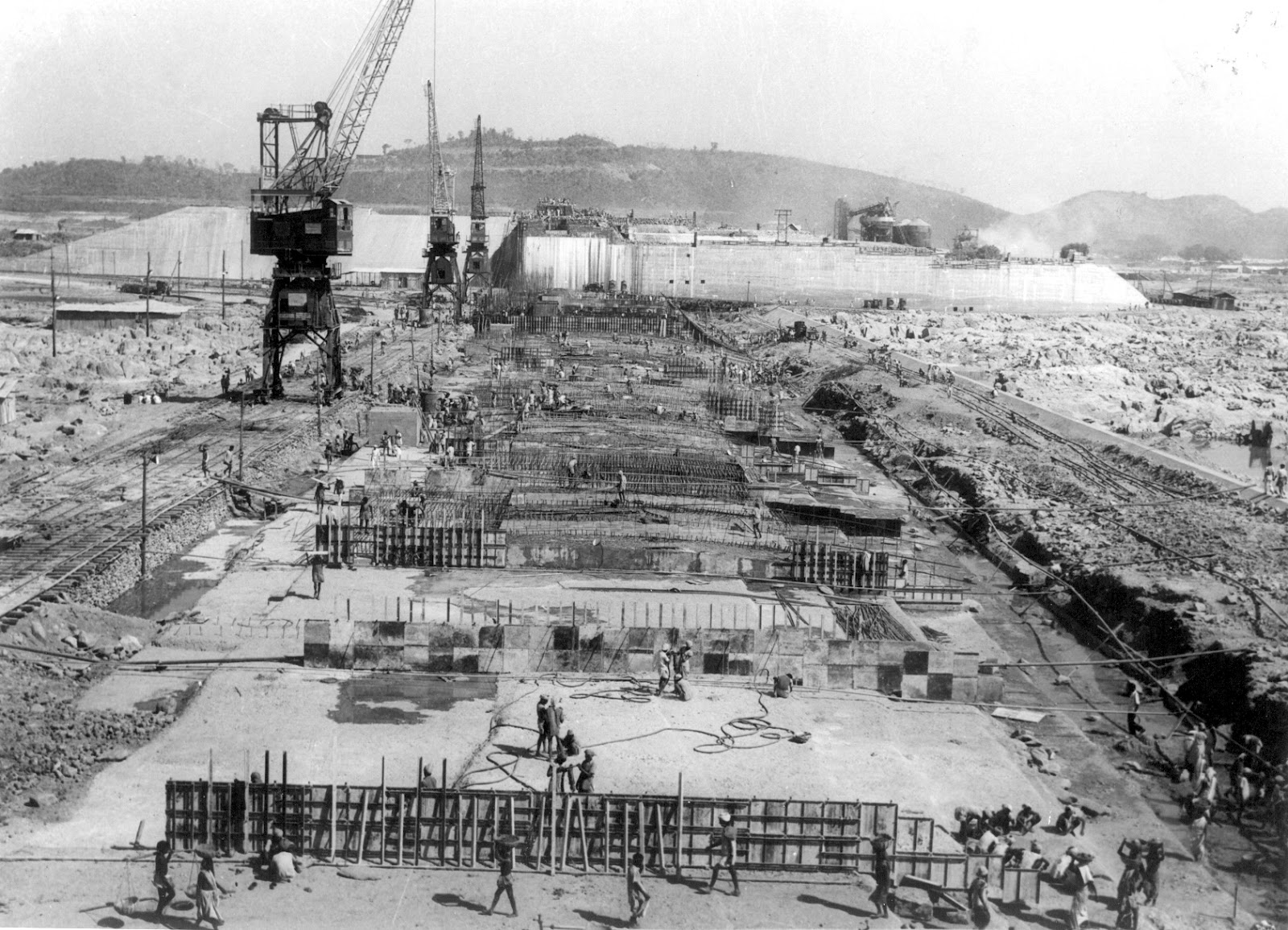 |
| 9-12-1953 |
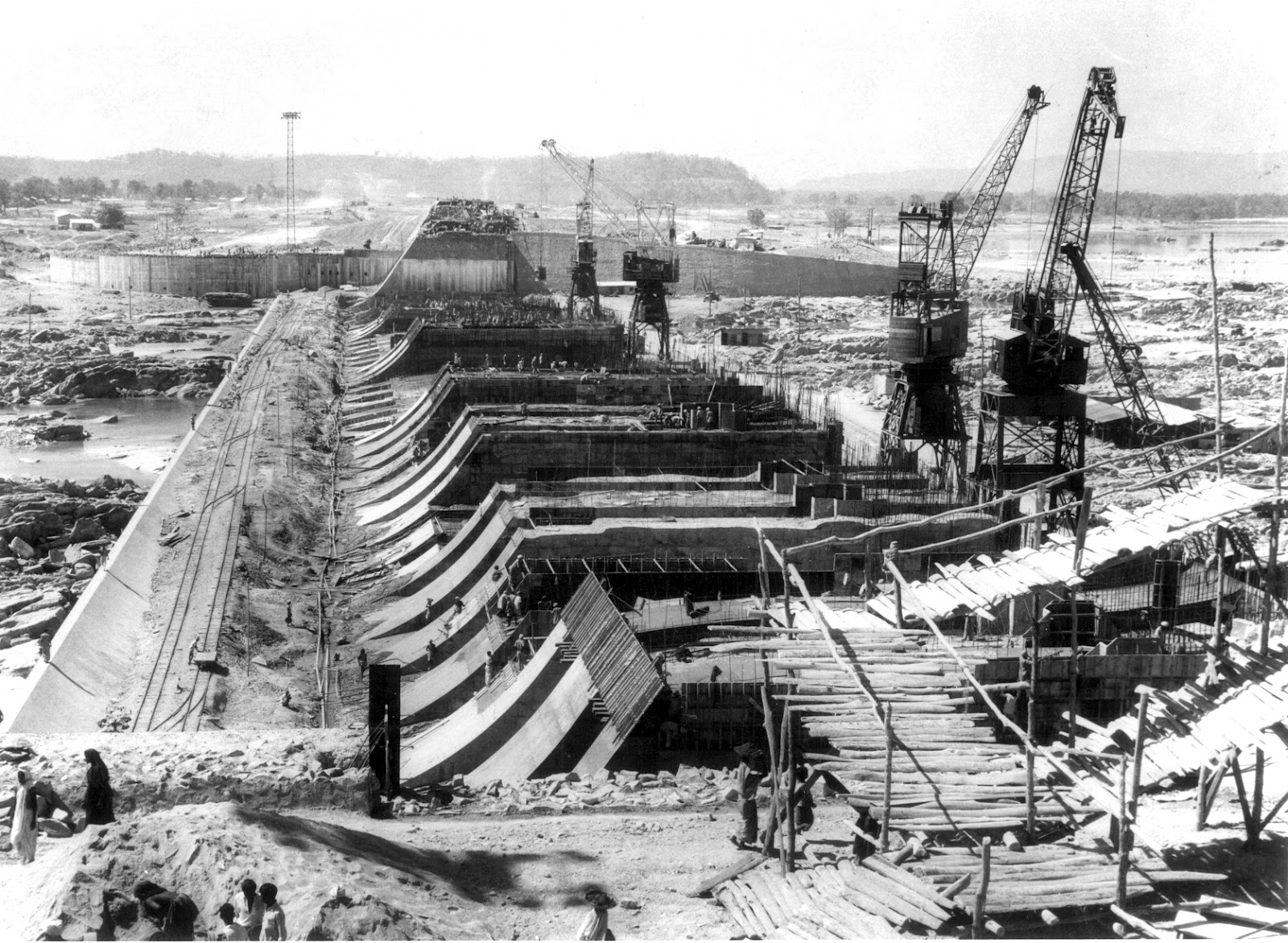 |
| 10-2-1954 |
 |
| 10-3-1959 |
 |
| 14-1-1957 |
Thursday, 16 August 2012
Swami Vivekananda's favorite disciple Swami Atmananda stayed for two & half years in Sambalpur
‘Nabajuger
Mahapurush’ written by Swami Jagdishwarananda , published by Ramakrushna Math ,
Belur in 1948 , describes about Swami Atmananda’s life history & about his stay in Sambalpur.
Swami Atmananda came to Sambalpur in October 1916 during Durga Puja , on request
by Sushil Kumar Sarkar . He stayed with Sushil Kumar Sarkar in his residence
near Sen Park . Swamiji was suffering from severe stomach upset, and asthma
when he reached Sambalpur . He was healthy with full vigor, when he left Sambalpur . He was cured by digestive water from ‘Paltan
kuan’ and medicines prescribed by the then Civil Surgeon at District Head
Qr. Hospital . Paltan Kuan (Well) is
located near Chandra Sekhar Behera Zilla School . The well
Paltan Kuan needs renovation , as well as preservation . Sambalpur
was also free from malaria during that period .  |
| Swami Atmananda |
He was known as Shukul Maharaj at Belur Math . He was initiated by Swami Vivekananda in 1897/98, and thereafter he was addressed as Swami Atmananda . During his stay at Sambalpur , he met Jogendra Nath Sen, an eminent lawyer , who was Government Advocate and President, Sambalpur Zilla Parishad at that time . Also poet Laxminath Bejbarua from Assam stayed at Sambalpur from October 1917 to 1937 for a period of 20 years . Both Laxminath Bejbarua and Jogendra Nath Sen have contributed a lot to Sambalpur .
Swami Atmananda stayed at Sambalpur for
two and half years , and then left for Belur Math , Kolkata probably
in March 1919 .
( Kindly contact Shri Shri Ramakrishna Bibekananda Seba Sangha , Sambalpur Preident / Secretary for a book on 'Swami Atmananda' in Odiya Language , if interested )
( Kindly contact Shri Shri Ramakrishna Bibekananda Seba Sangha , Sambalpur Preident / Secretary for a book on 'Swami Atmananda' in Odiya Language , if interested )
 |
| Swami Vivekananda in Group |
Thursday, 12 July 2012
Hirakud Dam can not control flood fully
ବନ୍ୟାନିୟନ୍ତ୍ରଣରେ
ହୀରାକୁଦ ବନ୍ଧର ଭୂମିକା-
୨୦୧୧ ବନ୍ୟା
ଚଳିତ ବର୍ଷ ବନ୍ୟାରେ ଓଡିଶାରେ ୨୧ଟି ଜିଲ୍ଲାରେ ପ୍ରାୟ ୨୦ ଲକ୍ଷ ଲୋକ ରୁ ଊର୍ଦ୍ଧ୍ଵ କ୍ଷତିଗ୍ରସ୍ତ ହୋଇଛନ୍ତି, ୨୫୦୦ କୋଟି ଟଙ୍କାର ସମ୍ପତ୍ତି ନଷ୍ଟ ହେଲା – ସରକାରୀ ହିସାବ ଅନୁସାରେ ୫୦ରୁ ଊର୍ଦ୍ଧ୍ଵ ଲୋକ ମଲେ, ଅନେକେ ନିଖୋଜ ହୋଇଛନ୍ତି -୮୦୦୦ ରୁ ଊର୍ଦ୍ଧ୍ଵ ଗ୍ରାମ ଓ ୨୧ଟି ପୌରସଂସ୍ଥା କ୍ଷତିଗ୍ରସ୍ତ ହୋଇଛି-
୨୦୧୧ ବନ୍ୟା
ଚଳିତ ବର୍ଷ ବନ୍ୟାରେ ଓଡିଶାରେ ୨୧ଟି ଜିଲ୍ଲାରେ ପ୍ରାୟ ୨୦ ଲକ୍ଷ ଲୋକ ରୁ ଊର୍ଦ୍ଧ୍ଵ କ୍ଷତିଗ୍ରସ୍ତ ହୋଇଛନ୍ତି, ୨୫୦୦ କୋଟି ଟଙ୍କାର ସମ୍ପତ୍ତି ନଷ୍ଟ ହେଲା – ସରକାରୀ ହିସାବ ଅନୁସାରେ ୫୦ରୁ ଊର୍ଦ୍ଧ୍ଵ ଲୋକ ମଲେ, ଅନେକେ ନିଖୋଜ ହୋଇଛନ୍ତି -୮୦୦୦ ରୁ ଊର୍ଦ୍ଧ୍ଵ ଗ୍ରାମ ଓ ୨୧ଟି ପୌରସଂସ୍ଥା କ୍ଷତିଗ୍ରସ୍ତ ହୋଇଛି-
ଉପକୂଳବର୍ତ୍ତୀଜିଲ୍ଲାମାନଙ୍କରେ ବନ୍ୟା ହେଲା ଓ
ତତସଙ୍ଗେ ସଙ୍ଗେ ସମ୍ବଲପୁର, ସୋନପୁର, ବରଗଡ, ବଲାଙ୍ଗିର, ଝାରସୁଗୁଡାରେ
ମଧ୍ୟ ବନ୍ୟା ହେଲା-୫୦ ହଜାର ହେକ୍ଟର ପାଣିରେ ବୁଡି ବାଲିଚର ହେଲା-ଏହି ବନ୍ୟାରେ
ବିଭିନ୍ନ ଜିଲ୍ଲାର ସଡକ ଯୋଗାଯୋଗ ବିଛିନ୍ନ ହେଲା
·
ବରଗଡ
ଜିଲ୍ଲାର ବିଭିନ୍ନ ଅଞ୍ଚଳରେ
ବନ୍ୟା ଜଳ ପଶି ବିଭୀଷିକା ସୃଷ୍ଟି କଲା- ହୀରାକୁଦ ବନ୍ଧ ନିର୍ମାଣ ପୂର୍ବରୁ ଏହି ଅଞ୍ଚଳରେ ଲୋକେ ବନ୍ୟା କଣ ଜାଣି ନ ଥିଲେ-ଏବେ ନିୟମିତ
ଦୁର୍ଦ୍ଦଶା ରେ ପରିଣତ ହେଲାଣି -ବନ୍ୟାନିୟନ୍ତ୍ରଣରେ ହୀରାକୁଦ ବନ୍ଧର ବିଶେଷ
ଭୂମିକା ରହିଛି- ମୂଳ ପ୍ରସ୍ତାବ ଅନୁଯାୟୀ ହୀରାକୁଦ, ଟିକରପଡା, ନରାଜଠାରେ ବନ୍ଧ ନିର୍ମାଣ ହେବାର ଥିଲା - ଆନ୍ଦୋଳନ
ଯୋଗୁଁ ଟିକରପଡା ବନ୍ଧ ପ୍ରସ୍ତାବ ବନ୍ଦହେଲା-ତାପରେ ମଣିଭଦ୍ରାବନ୍ଧ ପ୍ରସ୍ତାବିତ ହେଲା-ଆନ୍ଦୋଳନ
ଯୋଗୁଁ ମଣିଭଦ୍ରା ପ୍ରସ୍ତାବ ମଧ୍ୟ ବନ୍ଦ ହେଲା- ବିକଳ୍ପ ହିସାବରେ ସୁବଳୟାବନ୍ଧ ନିର୍ମାଣ
ପ୍ରସ୍ତାବ ହେଲା- ଆନ୍ଦୋଳନ ଯୋଗୁଁ ସୁବଳୟା ନିର୍ମିତ ହେଲା ନାହିଁ-ସୂଚନାଯୋଗ୍ୟ ଯେ ମହାନଦୀ ଏ
କୂଳରେ ମଣିଭଦ୍ରା , ଆର କୂଳରେ ସୁବଳୟା-ଏହା ଉଲ୍ଲେଖ କରିବା ତାପ୍ତର୍ଜ୍ୟ ହେଲା ସୁବଳୟା ବନ୍ଧ ନାମିତ ହେଲେ ମଧ୍ୟ ମଣିଭଦ୍ରାକୁ ବୁଝିବେ।
· କେବଳ ହୀରାକୁଦ ବନ୍ଧ ନିର୍ମାଣ ସମ୍ଭବ ହେଲା-
ଚଳିତ ବନ୍ୟା ପୂର୍ବରୁ ହୀରାକୁଦ ତଳ ମୁଣ୍ଡରେ ସିନ୍ଧୋଳ ପ୍ରକଳ୍ପ ସକାଶେ ଓଡିଶା ଜଳ ବିଦ୍ୟୁତ
ନିଗମ ଓ ଜାତୀୟ ଜଳବିଦ୍ୟୁତ ନିଗମ ସହିତ ଚୁକ୍ତି ସମ୍ପାଦନ କଲେ-ସିନ୍ଧୋଳ ପ୍ରକଳ୍ପ ବିରୋଧରେ
ଆନ୍ଦୋଳନ ହେଲା-ଓଡିଶା ବିଧାନସଭାରେ ଏହି ପ୍ରକଳ୍ପକୁ ବିରୋଧ କରିବାରୁ ଗୃହ କମିଟି ଗଠନ
କରାଗଲା-ପ୍ରକଳ୍ପ ବାତିଲ କରିବାକୁ ଗୃହ କମିଟି ମତ ଦେଲେ –ଆଶ୍ଚର୍ଯ୍ୟର କଥା, ବର୍ତ୍ତମାନ ସୁଦ୍ଧା ଏହି ସମ୍ପର୍କରେ ସରକାର କୌଣସି
ପ୍ରକାର ଘୋଷଣା କରୁନାହାନ୍ତି-
ଇତି ମଧ୍ୟରେ ଗୃହ କମିଟୀ ସିନ୍ଧୋଳ ଯୋଜନା ବାତିଲ କରିବାକୁ ଘୋଷଣା କଲେ
ଇତି ମଧ୍ୟରେ ଗୃହ କମିଟୀ ସିନ୍ଧୋଳ ଯୋଜନା ବାତିଲ କରିବାକୁ ଘୋଷଣା କଲେ
ଅର୍ଦ୍ଧଶତାବ୍ଦୀ ବିତିଯାଇଥିଲେ ବି ହୀରାକୁଦ
ବିସ୍ଥାପିତମାନଙ୍କୁ କ୍ଷତିପୂରଣ ଦେବା
ସରିନାହିଁ-ପୁଣି ଆଉଥରେ ବିସ୍ଥାପିତ ହେବାକୁ ପଶ୍ଚିମାଞ୍ଚଳରେ କେହି ପ୍ରସ୍ତୁତ ନୁହନ୍ତି-
ସିନ୍ଧୋଳ ପ୍ରକଳ୍ପ ନିର୍ମାଣ ଅସମ୍ଭବ- ମହାନଦୀରେ ଦ୍ଵିତୀୟ ବନ୍ଧ ନିର୍ମାଣ ଅବାନ୍ତର - ମହାନଦୀ
ବହିଯାଉ-
ବୃହତ ନଦୀବନ୍ଧ ମାଧ୍ୟମରେ ଆଂଶିକ
ବନ୍ୟାନିୟନ୍ତ୍ରଣ ସମ୍ଭବ- ସମ୍ପୂର୍ଣ୍ଣ ଭାବେ ନୁହେଁ- ହୀରାକୁଦ ବନ୍ଧ ମାଧ୍ୟମରେ ଆଂଶିକ ବନ୍ୟାନିୟନ୍ତ୍ରଣ
ସମ୍ଭବ ହୋଇଛି-ସମ୍ପୂର୍ଣ୍ଣ ଭାବେ ନୁହେଁ-
·
ପ୍ରବଳ ଧରଣର ବନ୍ୟାନିୟନ୍ତ୍ରଣ କରିବାରେ ହୀରାକୁଦ ଜଳଭଣ୍ଡାର କେବେ ବି ସମର୍ଥ ହୋଇନାହିଁ-ଏ କଥା ଆମେ ସ୍ଵୀକାର
କରିବାକୁ ହେବ-
·
୧୯୬୨ର ହୀରାକୁଦ ଇଭାଲୁଏସନ
କମିଟି ରିପୋର୍ଟରେ ସ୍ପଷ୍ଟଭାବେ ଉଲ୍ଲେଖ ଅଛି-
ହୀରାକୁଦ ମାଧ୍ୟମରେ ସାଧାରଣ ବନ୍ୟା ନିୟନ୍ତ୍ରଣ କରାଯାଇପାରିବ- ପ୍ରବଳ ବନ୍ୟା ଆଂଶିକ ଭାବେ
ନିୟନ୍ତ୍ରଣ ସମ୍ଭବ- ଅସାଧାରଣ ବନ୍ୟା ନିୟନ୍ତ୍ରଣ ସମ୍ଭବ ନୁହେଁ-ହୀରାକୁଦ ବନ୍ଧ ନିର୍ମାଣର ପଚାଶ
ବର୍ଷ ପୂର୍ବରୁ ଯେତିକି ଥର ବନ୍ୟା ହେଉଥିଲା- ପରବର୍ତ୍ତୀ ପଚାଶ ବର୍ଷ ମଧ୍ୟରେ ଅଧିକ ଥର ବନ୍ୟା
ହୋଇଛି- ଅବଶ୍ୟ ହୀରାକୁଦ ଯୋଗୁଁ ଆଂଶିକ ବନ୍ୟାନିୟନ୍ତ୍ରଣ ସମ୍ଭବ ହୋଇଛି-
ହୀରାକୁଦ ବନ୍ଧଦ୍ଵାରା ଉପକୂଳବର୍ତ୍ତୀ ଅଞ୍ଚଳକୁ
ଆଂଶିକ ଭାବେ ରକ୍ଷା କରାଯାଇ ପାରିଛି-ହେଲେ ସମ୍ପୂର୍ଣ୍ଣ ଭାବେ ନୁହେଁ- ଓଡ଼ିଶାକୁ ବନ୍ଧ ମୟ
କରିଦେଲେ ବି ସମ୍ପୂର୍ଣ୍ଣ ବନ୍ୟାନିୟନ୍ତ୍ରଣ ସମ୍ଭବ
ନୁହେଁ – ଯଦି ତାହା ହୋଇପାରୁଥାନ୍ତା, ତାହେଲେ ଆମେରିକା ଭଳି ଏକ ଉନ୍ନତ ରାଷ୍ଟ୍ରରେ ଲୋକେ ଆଜି ବି ବନ୍ୟାରେ ମରୁ ନ ଥାନ୍ତେ-
ସୂଚନାଯୋଗ୍ୟ ଯେ, ଆମେରିକାରେ ବୃହତ
ନଦୀବନ୍ଧ ସଂଖ୍ୟା ଭାରତ ତୁଳନାରେ ବହୁ ଅଧିକ-
·
ବନ୍ୟାନିୟନ୍ତ୍ରଣ ସକାଶେ
ହୀରାକୁଦର ଜଳ ଧାରଣ କ୍ଷମତା ଆରମ୍ଭରୁ ଯଥେଷ୍ଟ ନ ଥିଲା-ପଟୁମାଟି ଭର୍ତ୍ତି ଯୋଗୁଁ ଏହାର ଜଳ ଧାରଣ
କ୍ଷମତା ଶତକଡା ୩୧ଭାଗ ପାଖାପାଖି କମିଛି- ଭବିଷ୍ୟତରେ ଆହୁରି କମିବ- ଅନ୍ୟାନ୍ୟ ଜଳଭଣ୍ଡାର
ତୁଳନାରେ ଯଦିଓ ହୀରାକୁଦ ଜଳଭଣ୍ଡାର ବହୁତ ବଡ, ବାସ୍ତବରେ ନିଜ ଅବବାହିକା ପାଇଁ ଏହା ଅତି ଛୋଟ-
ହୀରାକୁଦ ଅବବାହିକାରେ ହାରାହାରି ୧୫ ସେଣ୍ଟିମିଟର ବୃଷ୍ଟିପାତରେ ହୀରାକୁଦ ଜଳଭଣ୍ଡାର ପୂର୍ଣ୍ଣ ହୋଇଯିବ-
ହୀରାକୁଦର ଗଭୀରତା ୧୩୦ ଫୁଟ ହୋଇଥିବାବେଳେ, କେବଳ ୪୦ଫୁଟ ଜଳ ବ୍ୟବହୃତ ହୁଏ-ବର୍ଷ ଯାକ ୪ ଫୁଟ
ବାଷ୍ପ ହୋଇ ନଷ୍ଟ ହୁଏ- ପ୍ରକୃତରେ ୩୬ ଫୁଟ ଜଳ ଉପଯୋଗୀ ହୁଏ- ଏହି ସବୁ କାରଣରୁ ଏହି ସ୍ଥାନ
ନଦୀବନ୍ଧ ଯୋଜନା ପାଇଁ ଉପଯୁକ୍ତ ସ୍ଥାନ ନୁହେଁ- ୧୯୪୬ ଡିସେମ୍ବରରେ ମହିଶୂର ର ଅବସରପ୍ରାପ୍ତ ଚିଫ ଇଞ୍ଜିନିଅର ଏମ ଜି ରଙ୍ଗେୟା ମତ ଦେଇଥିଲେ – ବନ୍ୟା ନିୟନ୍ତ୍ରଣ ପାଇଁ ହୀରାକୁଦ ଉପଯୁକ୍ତ ସ୍ଥାନ ନୁହେଁ – ତାଙ୍କ
ରିପୋର୍ଟ ଉପରେ ଗୁରୁତ୍ଵ ଦିଆଗଲା ନାହିଁ- ହୀରାକୁଦ ବନ୍ଧ ନିର୍ମିତ ହେଲା-
·
ବର୍ତ୍ତମାନ ପରିସ୍ଥିତିରେ – ହୀରାକୁଦ ଜଳ ଭଣ୍ଡାରର ଜଳର ସୁପରିଚାଳନା ଉପରେ ଅଧିକ ଗୁରୁତ୍ଵ ଦେବା ଆବଶ୍ୟକ - ଜଳ ପରିଚାଳନା ପାଇଁ ଏକ ରୁଲକର୍ଭ ରହିଛି- କେଉଁ
ତାରିଖରେ ହୀରାକୁଦ ଜଳ ସ୍ତର କେତେ ରଖାଯିବ ରୁଲକର୍ଭ ଅନୁସାରେ କରାଯାଏ- ତତ୍କାଳୀନ
ପରିସ୍ଥିତିକୁ ଦେଖି ୧୯୮୮ ମସିହାରେ ରୁଲ କର୍ଭ ସଂଶୋଧିତ ହେଲା- ତାପରେ ଆଉ
ସଂଶୋଧନ ହୋଇନାହିଁ- ଇତିମଧ୍ୟରେ ଜଳବାୟୁରେ ବିରାଟ ପରିବର୍ତ୍ତନ, ଛତିଶଗଡରେ ଅନେକ
ବନ୍ଧ ନିର୍ମାଣ ଯୋଗୁଁ, ହୀରାକୁଦକୁ ଜଳପ୍ରବାହରେ
ଅନେକ ପରିବର୍ତ୍ତନ ହୋଇଛି
·
ଗତ ସେପ୍ଟେମ୍ବର ୫ ତାରିଖରୁ ୯ ତାରିଖ ମଧ୍ୟରେ ଛତିଶଗଡର
ଅଧିକାଂଶ ଛୋଟ ବଡ ବନ୍ଧ ପ୍ରବଳ ବର୍ଷା ଯୋଗୁଁ ଶତକଡା ନବେ ଭାଗ ଭର୍ତ୍ତି ଥିଲା- ଆବଶ୍ୟକତା
ଦୃଷ୍ଟିରୁ ସେହି ବନ୍ଧ ସବୁରୁ ଜଳ ନିଷ୍କାସିତ ହେଉଥିଲା- ଏବଂ ଏହି ଜଳ ହୀରାକୁଦ ଜଳଭଣ୍ଡାରରେ
ପ୍ରବେଶ କଲା- ସେହିପରି ଇବ ଓ ଭେଡେନ ନଦୀରୁ ପ୍ରବଳ ବର୍ଷା ଯୋଗୁଁ ଏକ ସଙ୍ଗେ ବନ୍ୟା ଜଳ ପ୍ରବେଶ
କଲା- ସୂଚନାଯୋଗ୍ୟ ଯେ ଅଙ୍କ କଷାକଷି କରି ହୀରାକୁଦ ଜଳଭଣ୍ଡାରର ଜଳପ୍ରବାହ ଆକଳନ କରାଯାଏ-ଆଧୁନିକ
ପ୍ରଣାଳୀ ଅବଲମ୍ବନ କରାଯାଉ- ଜଳପ୍ରବାହ ସଠିକ ଆକଳନ କରାଯାଉ-
୬୩୦ ଫୁଟ ସ୍ତର
ପର୍ଯ୍ୟନ୍ତ ଜଳ ଗଛିତ ରହିପାରିବ ଜାଣି ସୁଦ୍ଧା ସେପ୍ଟେମ୍ବର ୭ ତାରିଖରେ ଜଳପତ୍ତନ
୬୨୫.୬୦ ରଖାଯାଇଥିଲା- ରୁଲକର୍ଭ ଅନୁସାରେ ଯେତିକି ଜଳପତ୍ତନ ରହିବା କଥା ତାହାର ବହୁ ଉପରେ
ରହିଥିଲା-୩୬ଟି ଗେଟ ଖୋଲା ଥିଲା- ସେପ୍ଟେମ୍ବର ୨ ତାରିଖରେ ଇଣ୍ଡିଏନ ମେଟ୍ରୋଲୋଜିକେଲ
ଡିପାର୍ଟମେଣ୍ଟ ତରଫରୁ ଛତିଶଗଡ ଓ ଓଡିଶାରେ ସପ୍ତାହ କ ମଧ୍ୟରେ ପ୍ରବଳ ବର୍ଷା ହେବ ବୋଲି
ଘୋଷଣା କରାଯାଇଥିଲା- କର୍ତୃପକ୍ଷ ଘୋଷଣା ଉପରେ ନଜର ଦେଲେ ନାହିଁ-ତାହା ପରଦିନ ୮ ତାରିଖରେ ଥରକୁଥର
କରି ୫୯ଟି ଗେଟ ଖୋଲିଲେ- ପରିସ୍ଥିତି ଅସମ୍ଭାଳ ହେଲା-ପ୍ରବଳ ବନ୍ୟା ଯୋଗୁଁ ଅନେକ କ୍ଷୟକ୍ଷତି
ହେଲା-
·
ଛତିଶଗଡ ଓ ଓଡିଶା ମଧ୍ୟରେ ହୀରାକୁଦ
ଜଳଭଣ୍ଡାରକୁ ଜଳପ୍ରବାହ ଉପରେ ବୁଝାମଣା ନାହିଁ ବୋଲି ଜଣାଯାଏ- ଏପରି ଏକ ବୁଝାମଣାର ଆବଶ୍ୟକତା
ରହିଛି-ପରିବର୍ତ୍ତିତ ପରିସ୍ଥିତିକୁ ବିଚାରକୁ ନେଇ ଏହି ପ୍ରସଙ୍ଗ ଉପରେ ବ୍ୟାପକ ଆଲୋଚନା ହେବା
ଏକାନ୍ତ ଆବଶ୍ୟକ-
·
ତତ୍କାଳୀନ ପରିସ୍ଥିତିକୁ ଦେଖି ୧୯୮୮ରେ ରୁଲକର୍ଭ
ସଂଶୋଧିତ ହୋଇଥିଲା- ଇତିମଧ୍ୟରେ ହୀରାକୁଦ ଜଲଭଣ୍ଡାରକୁ ଜଳପ୍ରବାହରେ ଅନେକ ପରିବର୍ତ୍ତନ ହୋଇଛି-
ବନ୍ୟାନିୟନ୍ତ୍ରଣକୁ ଗୁରୁତ୍ଵ ଦେଇ ଆଉଥରେ ରୁଲକର୍ଭ ସଂଶୋଧିତ କରାଯାଉ-
·
କଂଗ୍ରେସ ଦଳଙ୍କ ମତରେ ଏହି ବନ୍ୟା ଭୁଲ ଜଳ ପରିଚାଳନା
ଯୋଗୁଁ ହେଲା- ତଦନ୍ତର ଆବଶ୍ୟକତା ରହିଛି- ମାନ୍ୟବର ରାଜ୍ୟପାଳ ୟା ଉପରେ ତଦନ୍ତ କରିବାକୁ
ସରକାରଙ୍କୁ ଲେଖିଲେ- ସରକାର କହିଲେ- ସବୁ ଠିକ କରାଯାଇଛି- ତଦନ୍ତର ଆବଶ୍ୟକତା ନାହିଁ-
ସରକାରଙ୍କ ମତ ଯୁକ୍ତିଯୁକ୍ତ ନୁହେଁ-ନିରପେକ୍ଷ ତଦନ୍ତ କରିଥିଲେ ଜଳ ପରିଚାଳନାର ଭୁଲ ଥିଲା ନା ନାହିଁ
ଜଣାପଡିଥାନ୍ତା-
(ବରଗଡ- ଗାନ୍ଧୀସ୍ମୃତି ପାଠାଗାର ତରଫ ରୁ ଆୟୋଜିତ ପୁସ୍ତକ ମେଳାରେ ଇଂ କରୁଣାକର ସୂପକାରଙ୍କ ଦ୍ଵାରା ପ୍ରଦତ୍ତ ଭାଷଣ)
୨୨ ନଭେମ୍ବର ୨୦୧୧
Subscribe to:
Posts (Atom)