Tuesday, 11 June 2013

Swami Gyanananda Sarwasati ( Gudia Baba ) 1876-1952


( Birabara  Dash , a poet,  wrote the Biography of Swami Gyanananda Saraswati by collecting true facts about swamiji from persons who had come in contact with swamiji . He has referred to Dr Janardan Pujari’s  “Kailash Pathe “(Odiya) and visited many places while writing  the book. A brief sketch of life history of Swamiji has been reproduced here from the aforesaid book ‘ Swami Gyanananda Saraswati ( Gudia Baba )’(Odiya). Forward for the said book has been written by Dr Nabin Kumar Sahu , Ex Vice Chancellor, Sambalpur University ).
Swami Gyanananda Sarswati 1876-1952
by artiste Tulsi Gadtiya
Gobardhan was born on 1876 Kartik , sukla , pratipada ( Girigobardhan Puja day ) at Bargarh town . Gobardhan belonged to a poor family of madhubashya caste . He was the third son of Dinamani Sahu and Jaikadhi . The swami passed away on Baisakh sukla dashami in 1952 at Atmaram ashram , Raigarh . Swami Atmaram (who had become a sanyasi ) was third brother of Swami Gyanananda Saraswati.
Swamiji  was physically very strong . His height was 7 feet 2 “, fair complexioned and well built . He had a unique feature.  He had to undergo child marriage at the age of 11/12 years, and his wife was of 9/10 years old of village Turum . Unfortunately, she died before coming to father-in-law’s  house . After her expiry, swamiji never got married , remained a bachelor  till expiry .
Swamiji achieved ‘astanga  joga’ and ‘astadasha siddhi ‘ from his master Swami Basudevananda . Due to delay in achieving siddhi, his master advised  Gudia Baba to undergo punishment for the sin done in the past. To learn and achieve ‘astadasha  siddhi’ , Gudia Baba purified his body by undergoing self punishment for the sin ,earlier at a young age . Therefore , to purify himself, he had to undergo a jail term for 21 days   at Sambalpur Central Jail . Gudia Baba came back to Bargarh from Haridwar , requested the Deputy Commissioner , Sambalpur and the then visiting Commisioner  Mr Woodburn to punish him for theft done from Mohan ‘s shop. Mohan was very rich person at that time, residing at Barpali. Under compulsion , the D.C. had to issue order for 21 days imprisionment  to Gudia Baba. After the jail term, he again visited Haridwar and achieved astadash siddhi.  Gobardhan ( Gudia Baba ) was then transformed to Swami Gyanananda Saraswati.
Swami Gyanananda  took the responsibility of Baghambari Ashram at Allahbad (UttarPradesh) . He became Mahanta of the famous Matha at Allahabad , after Swami Basudebananda Saraswati Rothaji handed over the charges of Matha .  Pandit Motilal Nehru , Madan  Mohan Malabya  were visiting the Ashram  on saturday evenings and meeting swamiji during discourse on religious matter . After seven years , swamiji did not like to continue there after his master ( Guru ) expired . He handed over the Math to one of his trained disciple, who at a later date became Mahanta , on recommendation of Gudia Baba.  
After he left Baghambari Math, swamiji went to Kapurtala of Hosiarpur district in Punjab. Mahant  Dibyananda of Kapurtala Math was intimately known to swamiji. Dibyananda wanted to leave his body within a week , and requested Gyanananda to take over Kapurtala Ashram. Under compulsion , Gyanananda became Mathadhish of Kapurtala Math, which had great wealth.  Swamiji stayed for 7 years at Kapurtala as Mathadhish. But wealth of the Math could not attract him. He left Kapurtala Math and started moving aimlessly. Then he visited  Afganisthan, Iran, Turkey,Tibbet etc., and preached on Sanatan Dharma.  Then swamiji came to village Kamgan near Bargarh and established “ Basudevananda Bedanta Sanskrit Pathasala” , a Sanskrit  school , with hostel fascility,  where about 40 /50 students read . Prahalad Pradhan was a student of this school. Prahalad Pradhan at a later date, established the Sanskrit University in Puri , Odisha. Swamiji stayed at village Kamgan from 1920 to 1930.  
Swamiji  stayed with Sushil Kumar Sarkar, Gouranga Charan Behera , Durgaprasad Mishra, Omkarmal Poddar and many others at Sambalpur . He stayed at Sambalpur from 1930 to 1946. He came in contact with Chandra Sekhar Behera , Dr Ramachandra Mishra, Mahendranath Varma, Durgaprasad Mishra, Gokul Chandra Babu , Shyamsundar Behera, Benudhar Pujari , Labanidhar Sunari , Sitaram Tripathy , and many others during his stay at Sambalpur. Dr Janardan Pujari , Chandrasekhar Behera had great respect for Gudia Baba .During his stay at Sambalpur  swamiji established a satsang ashram on the bank of river Mahanadi , with the help from above mentioned people, specially Chandrasekhar Behera and Dr Ramchandra Mishra. Now it is known as Gita Gudi . In 1936, Dr Pujari accompanied swamiji to Kailash and Manasarobar.  Swamiji had earlier visited those places .In 1946 , swamiji went to Raigarh, stayed there in Atmaram Ashram with his middle brother Swami Atmaram till his expiry(1952).      
Three Odiya and four Hindi books written by Swamiji were published . Those books are not available now . He was regular writer of articles in  ‘Kalyan’ (Hindi) magazine . 
After Swamiji left for Raigarh Atmaram  Ashram , Dr Janardan Pujari once requested him in 1947  to visit Sambalpur again, but swamiji declined and did not come to Sambalpur . So also , in 1948 , Brajmohan Panda had gone to Raigarh and requested swamiji to visit  Sambalpur , but  swamiji declined to come to Sambalpur.
Swami Gyanananda passed away on Baishakh  sukla dashami in 1952 at Atmaram Ashram , Raigarh.


Thursday, 16 May 2013

Roberto Rossellini 's ( Italian Film Director & Script writer ) short film on Hirakud Dam Construction- Released in 1958

                                    A short film taken by Roberto Rossellini  -
     Hirakud Dam Project , Sambalpur during consruction - released in 1958

Sunday, 5 May 2013

Photographs - Visit to Singapore in Feb 2013


My family with son ,daughter , grand children visited Singapore in Feb 2013


My Grand Children are enjoying - Feb 2013

Monday, 22 April 2013

Vir Surendra Sai's grandson Sundar Sai was invited by Durgamadhab Supkar on 8.10.1924 , to attend a musical programme at Aranyak Manch , Jharuapara , Sambalpur

The post card was written on Dt 08 10 1924 , printed at Calcutta
with a photograph of Brahmapura Temple, Jharuapara , Sambalpur
-the exact script of the letter-

 (Original Post Card with Amarnath Supkar ,Advocate,)


Monday, 8 October 2012

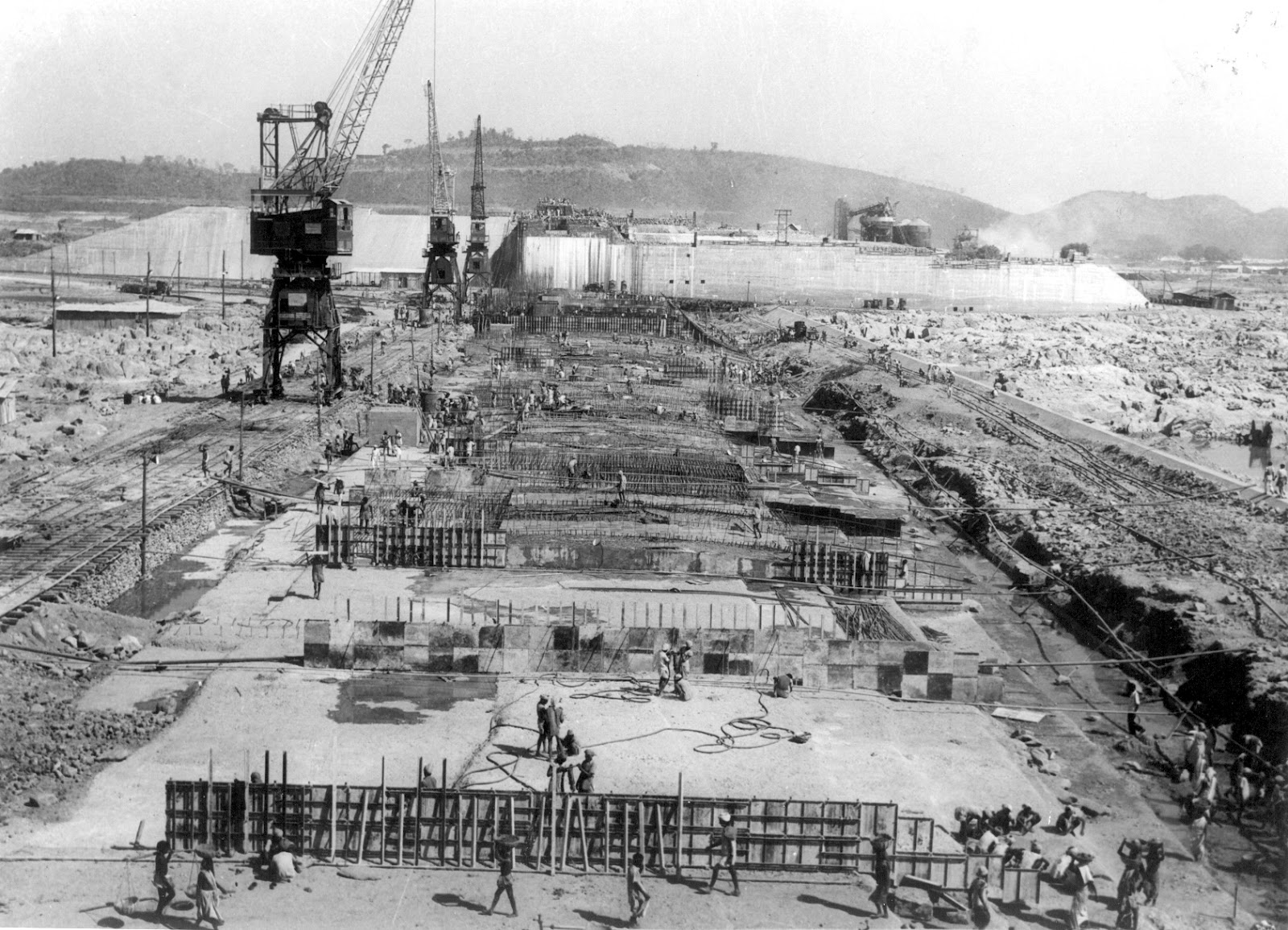
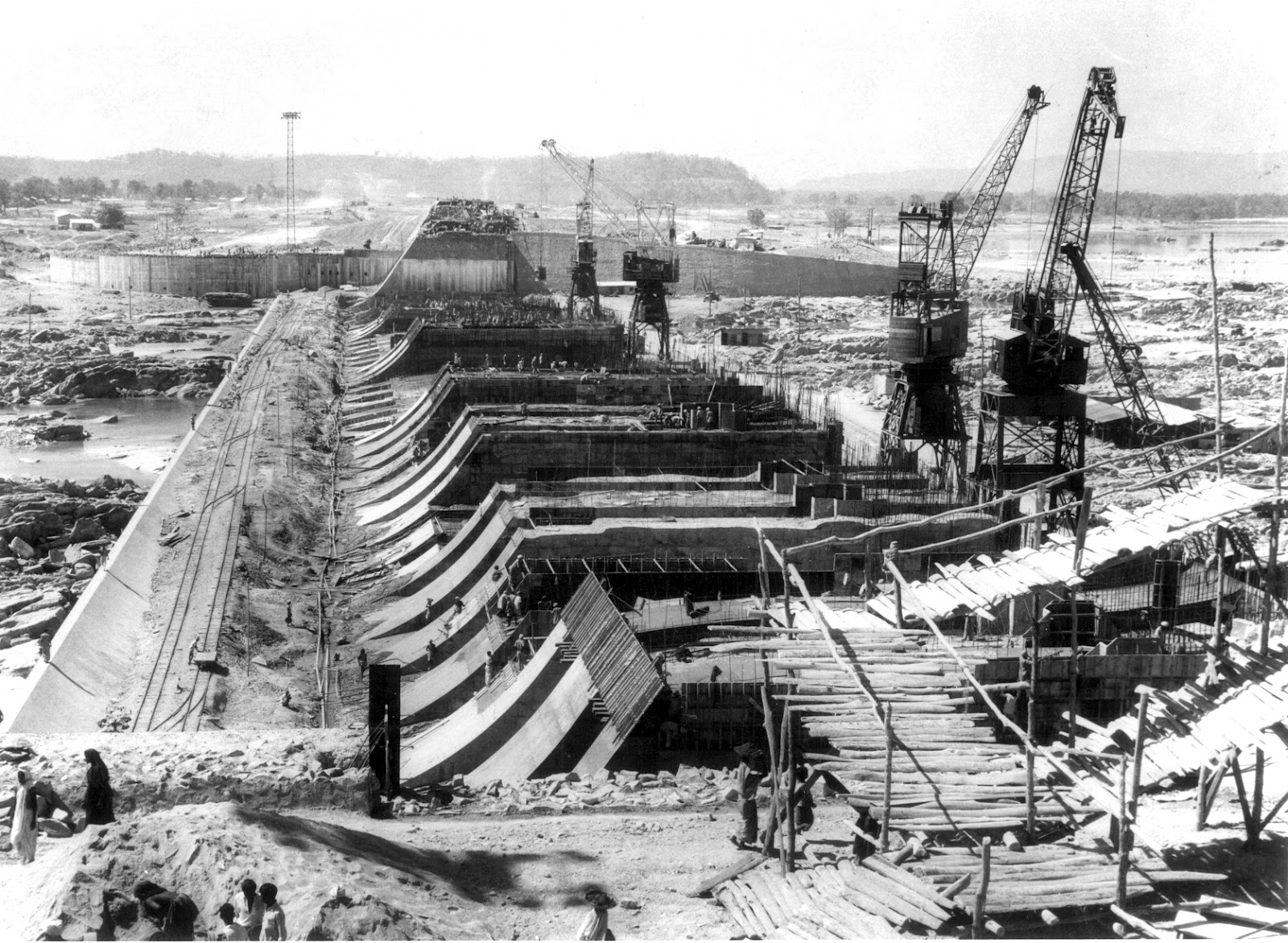
Hirakud Dam Project-Photographs during Construction-1951 to 1957

 They also constructed Hirakud Dam
24-2-1954

 
Before Construction   -23-3-1951
 
13-11-1952-My village will be submerged ?- Unknown
 

Sunday, 7 October 2012

Hirakud Dam Project-Photographs during Construction-1951 to 1959

14-3-1953
 
Jawahar Minar -14-11-1957
 
Hirakud Dam -17-7-1957


19-6-1957


28-5-1957
 
Burla Power House -28-5-1957
28-5-1957


28-5-1957


29-7-1957
 
28-10-1957


Saturday, 6 October 2012

Hirakud Dam Project- Photographs during constuction-1951 to 1959

1-8-1955
2-4-1957
 
4-11-1957
 
5-6-1954
 
Gandhi Minar -7-3-1959
 
7-9-1956
 
9-12-1953
 
10-2-1954
 
10-3-1959
 
14-1-1957


Thursday, 16 August 2012

Swami Vivekananda's favorite disciple Swami Atmananda stayed for two & half years in Sambalpur


‘Nabajuger Mahapurush’ written by Swami Jagdishwarananda , published by Ramakrushna Math , Belur in 1948 , describes about Swami Atmananda’s life history & about  his stay in  Sambalpur. 
Swami Atmananda came to Sambalpur  in October 1916 during Durga Puja , on request by Sushil Kumar Sarkar . He stayed with Sushil Kumar Sarkar in his residence near Sen Park . Swamiji was suffering from severe stomach upset, and asthma when he reached Sambalpur . He was healthy with full vigor, when he left  Sambalpur .  He was cured by digestive water from ‘Paltan kuan’ and medicines prescribed by the then Civil Surgeon at District Head Qr. Hospital .  Paltan Kuan (Well) is located  near  Chandra Sekhar Behera Zilla School . The well Paltan Kuan needs renovation , as well as preservation .   Sambalpur was also free from malaria during that period .

  Swami Atmananda
Govind Prasad Shukul was born in  1868 in the village Debipur . Then he moved to Chanchal Jamindari in Malda district ( West Bengal ). Guru Prasad Shukul ( elder brother of Govind Prasad's father ) was engaged as 'Pujaka' in Chanchal Jamindari temple . Govind Prasad studied at Chanchal High School with monetary help from the Jamindar. While studying in school , Govind Prasad was helping Guru Prasad in worshiping  in temple . Then  Govind Prasad came to Kolkata for higher studies . While studying in college , he was visiting 'Math' with his freinds .

He was known as Shukul Maharaj at Belur Math . He was initiated by Swami Vivekananda in 1897/98, and thereafter he was addressed as Swami Atmananda . During his stay at Sambalpur , he met Jogendra Nath Sen, an eminent lawyer , who was Government Advocate and President, Sambalpur Zilla Parishad at that time . Also  poet Laxminath Bejbarua from Assam stayed at  Sambalpur from October 1917 to 1937 for a period of 20 years . Both Laxminath Bejbarua and Jogendra Nath Sen have contributed a lot to Sambalpur .
 Swami Atmananda stayed at Sambalpur for two and half years , and then left for Belur Math , Kolkata  probably  in March 1919 .

( Kindly contact Shri Shri Ramakrishna Bibekananda Seba Sangha , Sambalpur Preident / Secretary  for a book on 'Swami Atmananda' in Odiya Language , if interested )


Swami Vivekananda in Group


Thursday, 12 July 2012

Hirakud Dam can not control flood fully


ବନ୍ୟାନିୟନ୍ତ୍ରଣରେ ହୀରାକୁଦ ବନ୍ଧର ଭୂମିକା-  
୨୦୧୧ ବନ୍ୟା
                                 
ଚଳିତ ବର୍ଷ ବନ୍ୟାରେ ଓଡିଶାରେ ୨୧ଟି ଜିଲ୍ଲାରେ ପ୍ରାୟ ୨୦ ଲକ୍ଷ ଲୋକ ରୁ ଊର୍ଦ୍ଧ୍ଵ କ୍ଷତିଗ୍ରସ୍ତ ହୋଇଛନ୍ତି, ୨୫୦୦ କୋଟି ଟଙ୍କାର ସମ୍ପତ୍ତି ନଷ୍ଟ ହେଲା – ସରକାରୀ ହିସାବ ଅନୁସାରେ ୫୦ରୁ ଊର୍ଦ୍ଧ୍ଵ ଲୋକ ମଲେ, ଅନେକେ ନିଖୋଜ ହୋଇଛନ୍ତି -୮୦୦୦ ରୁ ଊର୍ଦ୍ଧ୍ଵ ଗ୍ରାମ ଓ ୨୧ଟି ପୌରସଂସ୍ଥା କ୍ଷତିଗ୍ରସ୍ତ ହୋଇଛି-
 ଉପକୂଳବର୍ତ୍ତୀଜିଲ୍ଲାମାନଙ୍କରେ ବନ୍ୟା ହେଲା ଓ ତତସଙ୍ଗେ ସଙ୍ଗେ ସମ୍ବଲପୁର, ସୋନପୁର, ବରଗଡ, ବଲାଙ୍ଗିର,  ଝାରସୁଗୁଡାରେ ମଧ୍ୟ ବନ୍ୟା ହେଲା-୫୦ ହଜାର ହେକ୍ଟର ପାଣିରେ ବୁଡି ବାଲିଚର ହେଲା-ଏହି ବନ୍ୟାରେ ବିଭିନ୍ନ ଜିଲ୍ଲାର ସଡକ ଯୋଗାଯୋଗ ବିଛିନ୍ନ ହେଲା
·       ବରଗଡ ଜିଲ୍ଲାର ବିଭିନ୍ନ ଅଞ୍ଚଳରେ ବନ୍ୟା ଜଳ ପଶି ବିଭୀଷିକା ସୃଷ୍ଟି କଲା- ହୀରାକୁଦ ବନ୍ଧ ନିର୍ମାଣ ପୂର୍ବରୁ ଏହି  ଅଞ୍ଚଳରେ ଲୋକେ ବନ୍ୟା କଣ ଜାଣି ନ ଥିଲେ-ଏବେ ନିୟମିତ ଦୁର୍ଦ୍ଦଶା ରେ ପରିଣତ ହେଲାଣି -ବନ୍ୟାନିୟନ୍ତ୍ରଣରେ ହୀରାକୁଦ ବନ୍ଧର ବିଶେଷ ଭୂମିକା ରହିଛି- ମୂଳ ପ୍ରସ୍ତାବ ଅନୁଯାୟୀ ହୀରାକୁଦ, ଟିକରପଡା, ନରାଜଠାରେ ବନ୍ଧ ନିର୍ମାଣ ହେବାର ଥିଲା - ଆନ୍ଦୋଳନ ଯୋଗୁଁ ଟିକରପଡା ବନ୍ଧ ପ୍ରସ୍ତାବ ବନ୍ଦହେଲା-ତାପରେ ମଣିଭଦ୍ରାବନ୍ଧ ପ୍ରସ୍ତାବିତ ହେଲା-ଆନ୍ଦୋଳନ ଯୋଗୁଁ ମଣିଭଦ୍ରା ପ୍ରସ୍ତାବ ମଧ୍ୟ ବନ୍ଦ ହେଲା- ବିକଳ୍ପ ହିସାବରେ ସୁବଳୟାବନ୍ଧ ନିର୍ମାଣ ପ୍ରସ୍ତାବ ହେଲା- ଆନ୍ଦୋଳନ ଯୋଗୁଁ ସୁବଳୟା ନିର୍ମିତ ହେଲା ନାହିଁ-ସୂଚନାଯୋଗ୍ୟ ଯେ ମହାନଦୀ ଏ କୂଳରେ ମଣିଭଦ୍ରା , ଆର କୂଳରେ ସୁବଳୟା-ଏହା ଉଲ୍ଲେଖ କରିବା ତାପ୍ତର୍ଜ୍ୟ ହେଲା ସୁବଳୟା ବନ୍ଧ ନାମିତ ହେଲେ ମଧ୍ୟ ମଣିଭଦ୍ରାକୁ ବୁଝିବେ।
·       କେବଳ ହୀରାକୁଦ ବନ୍ଧ ନିର୍ମାଣ ସମ୍ଭବ ହେଲା-
ଚଳିତ ବନ୍ୟା ପୂର୍ବରୁ ହୀରାକୁଦ ତଳ ମୁଣ୍ଡରେ ସିନ୍ଧୋଳ ପ୍ରକଳ୍ପ ସକାଶେ ଓଡିଶା ଜଳ ବିଦ୍ୟୁତ ନିଗମ ଓ ଜାତୀୟ ଜଳବିଦ୍ୟୁତ ନିଗମ ସହିତ ଚୁକ୍ତି ସମ୍ପାଦନ କଲେ-ସିନ୍ଧୋଳ ପ୍ରକଳ୍ପ ବିରୋଧରେ ଆନ୍ଦୋଳନ ହେଲା-ଓଡିଶା ବିଧାନସଭାରେ ଏହି ପ୍ରକଳ୍ପକୁ ବିରୋଧ କରିବାରୁ ଗୃହ କମିଟି ଗଠନ କରାଗଲା-ପ୍ରକଳ୍ପ ବାତିଲ କରିବାକୁ ଗୃହ କମିଟି ମତ ଦେଲେ –ଆଶ୍ଚର୍ଯ୍ୟର କଥା, ବର୍ତ୍ତମାନ ସୁଦ୍ଧା ଏହି ସମ୍ପର୍କରେ ସରକାର କୌଣସି ପ୍ରକାର ଘୋଷଣା କରୁନାହାନ୍ତି-
ଇତି ମଧ୍ୟରେ ଗୃହ କମିଟୀ ସିନ୍ଧୋଳ ଯୋଜନା ବାତିଲ କରିବାକୁ ଘୋଷଣା କଲେ
ଅର୍ଦ୍ଧଶତାବ୍ଦୀ ବିତିଯାଇଥିଲେ ବି ହୀରାକୁଦ ବିସ୍ଥାପିତମାନଙ୍କୁ କ୍ଷତିପୂରଣ ଦେବା ସରିନାହିଁ-ପୁଣି ଆଉଥରେ ବିସ୍ଥାପିତ ହେବାକୁ ପଶ୍ଚିମାଞ୍ଚଳରେ କେହି ପ୍ରସ୍ତୁତ ନୁହନ୍ତି- ସିନ୍ଧୋଳ ପ୍ରକଳ୍ପ ନିର୍ମାଣ ଅସମ୍ଭବ- ମହାନଦୀରେ ଦ୍ଵିତୀୟ ବନ୍ଧ ନିର୍ମାଣ ଅବାନ୍ତର - ମହାନଦୀ ବହିଯାଉ-
ବୃହତ ନଦୀବନ୍ଧ ମାଧ୍ୟମରେ ଆଂଶିକ ବନ୍ୟାନିୟନ୍ତ୍ରଣ ସମ୍ଭବ- ସମ୍ପୂର୍ଣ୍ଣ ଭାବେ ନୁହେଁ-    ହୀରାକୁଦ ବନ୍ଧ ମାଧ୍ୟମରେ ଆଂଶିକ ବନ୍ୟାନିୟନ୍ତ୍ରଣ ସମ୍ଭବ ହୋଇଛି-ସମ୍ପୂର୍ଣ୍ଣ ଭାବେ ନୁହେଁ-
·       ପ୍ରବଳ ଧରଣର ବନ୍ୟାନିୟନ୍ତ୍ରଣ କରିବାରେ ହୀରାକୁଦ ଜଳଭଣ୍ଡାର କେବେ ବି ସମର୍ଥ ହୋଇନାହିଁ-ଏ କଥା ଆମେ ସ୍ଵୀକାର କରିବାକୁ ହେବ-
·       ୧୯୬୨ର ହୀରାକୁଦ ଇଭାଲୁଏସନ କମିଟି ରିପୋର୍ଟରେ ସ୍ପଷ୍ଟଭାବେ ଉଲ୍ଲେଖ ଅଛି- ହୀରାକୁଦ ମାଧ୍ୟମରେ ସାଧାରଣ ବନ୍ୟା ନିୟନ୍ତ୍ରଣ କରାଯାଇପାରିବ- ପ୍ରବଳ ବନ୍ୟା ଆଂଶିକ ଭାବେ ନିୟନ୍ତ୍ରଣ ସମ୍ଭବ- ଅସାଧାରଣ ବନ୍ୟା ନିୟନ୍ତ୍ରଣ ସମ୍ଭବ ନୁହେଁ-ହୀରାକୁଦ ବନ୍ଧ ନିର୍ମାଣର ପଚାଶ ବର୍ଷ ପୂର୍ବରୁ ଯେତିକି ଥର ବନ୍ୟା ହେଉଥିଲା- ପରବର୍ତ୍ତୀ ପଚାଶ ବର୍ଷ ମଧ୍ୟରେ ଅଧିକ ଥର ବନ୍ୟା ହୋଇଛି- ଅବଶ୍ୟ ହୀରାକୁଦ ଯୋଗୁଁ ଆଂଶିକ ବନ୍ୟାନିୟନ୍ତ୍ରଣ ସମ୍ଭବ ହୋଇଛି-
ହୀରାକୁଦ ବନ୍ଧଦ୍ଵାରା ଉପକୂଳବର୍ତ୍ତୀ ଅଞ୍ଚଳକୁ ଆଂଶିକ ଭାବେ ରକ୍ଷା କରାଯାଇ ପାରିଛି-ହେଲେ ସମ୍ପୂର୍ଣ୍ଣ ଭାବେ ନୁହେଁ- ଓଡ଼ିଶାକୁ ବନ୍ଧ ମୟ କରିଦେଲେ  ବି ସମ୍ପୂର୍ଣ୍ଣ ବନ୍ୟାନିୟନ୍ତ୍ରଣ ସମ୍ଭବ ନୁହେଁ – ଯଦି ତାହା ହୋଇପାରୁଥାନ୍ତା, ତାହେଲେ ଆମେରିକା ଭଳି ଏକ ଉନ୍ନତ ରାଷ୍ଟ୍ରରେ ଲୋକେ ଆଜି ବି ବନ୍ୟାରେ ମରୁ ନ ଥାନ୍ତେ- ସୂଚନାଯୋଗ୍ୟ ଯେ, ଆମେରିକାରେ ବୃହତ ନଦୀବନ୍ଧ ସଂଖ୍ୟା ଭାରତ ତୁଳନାରେ ବହୁ ଅଧିକ-
·       ବନ୍ୟାନିୟନ୍ତ୍ରଣ ସକାଶେ ହୀରାକୁଦର ଜଳ ଧାରଣ କ୍ଷମତା ଆରମ୍ଭରୁ ଯଥେଷ୍ଟ  ନ ଥିଲା-ପଟୁମାଟି ଭର୍ତ୍ତି ଯୋଗୁଁ ଏହାର ଜଳ ଧାରଣ କ୍ଷମତା ଶତକଡା ୩୧ଭାଗ ପାଖାପାଖି କମିଛି- ଭବିଷ୍ୟତରେ ଆହୁରି କମିବ- ଅନ୍ୟାନ୍ୟ ଜଳଭଣ୍ଡାର ତୁଳନାରେ ଯଦିଓ ହୀରାକୁଦ ଜଳଭଣ୍ଡାର ବହୁତ ବଡ, ବାସ୍ତବରେ ନିଜ ଅବବାହିକା ପାଇଁ ଏହା ଅତି ଛୋଟ-
ହୀରାକୁଦ ଅବବାହିକାରେ ହାରାହାରି ୧୫ ସେଣ୍ଟିମିଟର ବୃଷ୍ଟିପାତରେ ହୀରାକୁଦ ଜଳଭଣ୍ଡାର ପୂର୍ଣ୍ଣ  ହୋଇଯିବ-
ହୀରାକୁଦର ଗଭୀରତା ୧୩୦ ଫୁଟ ହୋଇଥିବାବେଳେ, କେବଳ ୪୦ଫୁଟ ଜଳ ବ୍ୟବହୃତ ହୁଏ-ବର୍ଷ ଯାକ ୪ ଫୁଟ ବାଷ୍ପ ହୋଇ ନଷ୍ଟ ହୁଏ- ପ୍ରକୃତରେ ୩୬ ଫୁଟ ଜଳ ଉପଯୋଗୀ ହୁଏ- ଏହି ସବୁ କାରଣରୁ ଏହି ସ୍ଥାନ ନଦୀବନ୍ଧ ଯୋଜନା ପାଇଁ ଉପଯୁକ୍ତ ସ୍ଥାନ ନୁହେଁ- ୧୯୪୬ ଡିସେମ୍ବରରେ ମହିଶୂର ର ଅବସରପ୍ରାପ୍ତ ଚିଫ ଇଞ୍ଜିନିଅର ଏମ ଜି ରଙ୍ଗେୟା ମତ ଦେଇଥିଲେ – ବନ୍ୟା ନିୟନ୍ତ୍ରଣ ପାଇଁ ହୀରାକୁଦ ଉପଯୁକ୍ତ ସ୍ଥାନ ନୁହେଁ – ତାଙ୍କ ରିପୋର୍ଟ ଉପରେ ଗୁରୁତ୍ଵ ଦିଆଗଲା ନାହିଁ- ହୀରାକୁଦ ବନ୍ଧ ନିର୍ମିତ ହେଲା-
·       ବର୍ତ୍ତମାନ ପରିସ୍ଥିତିରେ – ହୀରାକୁଦ ଜଳ ଭଣ୍ଡାରର ଜଳର ସୁପରିଚାଳନା ଉପରେ ଅଧିକ ଗୁରୁତ୍ଵ ଦେବା ଆବଶ୍ୟକ - ଜଳ ପରିଚାଳନା ପାଇଁ ଏକ ରୁଲକର୍ଭ ରହିଛି- କେଉଁ ତାରିଖରେ ହୀରାକୁଦ ଜଳ ସ୍ତର କେତେ ରଖାଯିବ ରୁଲକର୍ଭ ଅନୁସାରେ କରାଯାଏ- ତତ୍କାଳୀନ ପରିସ୍ଥିତିକୁ ଦେଖି ୧୯୮୮ ମସିହାରେ ରୁଲ କର୍ଭ ସଂଶୋଧିତ ହେଲା- ତାପରେ ଆଉ ସଂଶୋଧନ ହୋଇନାହିଁ- ଇତିମଧ୍ୟରେ ଜଳବାୟୁରେ ବିରାଟ ପରିବର୍ତ୍ତନ, ଛତିଶଗଡରେ ଅନେକ ବନ୍ଧ ନିର୍ମାଣ ଯୋଗୁଁ, ହୀରାକୁଦକୁ ଜଳପ୍ରବାହରେ ଅନେକ ପରିବର୍ତ୍ତନ ହୋଇଛି
·       ଗତ ସେପ୍ଟେମ୍ବର ୫ ତାରିଖରୁ ୯ ତାରିଖ ମଧ୍ୟରେ ଛତିଶଗଡର ଅଧିକାଂଶ ଛୋଟ ବଡ ବନ୍ଧ ପ୍ରବଳ ବର୍ଷା ଯୋଗୁଁ ଶତକଡା ନବେ ଭାଗ ଭର୍ତ୍ତି ଥିଲା- ଆବଶ୍ୟକତା ଦୃଷ୍ଟିରୁ ସେହି ବନ୍ଧ ସବୁରୁ ଜଳ ନିଷ୍କାସିତ ହେଉଥିଲା- ଏବଂ ଏହି ଜଳ ହୀରାକୁଦ ଜଳଭଣ୍ଡାରରେ ପ୍ରବେଶ କଲା- ସେହିପରି ଇବ ଓ ଭେଡେନ ନଦୀରୁ ପ୍ରବଳ ବର୍ଷା ଯୋଗୁଁ ଏକ ସଙ୍ଗେ ବନ୍ୟା ଜଳ ପ୍ରବେଶ କଲା- ସୂଚନାଯୋଗ୍ୟ ଯେ ଅଙ୍କ କଷାକଷି କରି ହୀରାକୁଦ ଜଳଭଣ୍ଡାରର ଜଳପ୍ରବାହ ଆକଳନ କରାଯାଏ-ଆଧୁନିକ ପ୍ରଣାଳୀ ଅବଲମ୍ବନ କରାଯାଉ- ଜଳପ୍ରବାହ ସଠିକ ଆକଳନ କରାଯାଉ-
 ୬୩୦ ଫୁଟ ସ୍ତର ପର୍ଯ୍ୟନ୍ତ ଜଳ ଗଛିତ ରହିପାରିବ ଜାଣି ସୁଦ୍ଧା ସେପ୍ଟେମ୍ବର ୭ ତାରିଖରେ ଜଳପତ୍ତନ ୬୨୫.୬୦ ରଖାଯାଇଥିଲା- ରୁଲକର୍ଭ ଅନୁସାରେ ଯେତିକି ଜଳପତ୍ତନ ରହିବା କଥା ତାହାର ବହୁ ଉପରେ ରହିଥିଲା-୩୬ଟି ଗେଟ ଖୋଲା ଥିଲା- ସେପ୍ଟେମ୍ବର ୨ ତାରିଖରେ ଇଣ୍ଡିଏନ ମେଟ୍ରୋଲୋଜିକେଲ ଡିପାର୍ଟମେଣ୍ଟ ତରଫରୁ ଛତିଶଗଡ ଓ ଓଡିଶାରେ ସପ୍ତାହ କ ମଧ୍ୟରେ ପ୍ରବଳ ବର୍ଷା ହେବ ବୋଲି ଘୋଷଣା କରାଯାଇଥିଲା- କର୍ତୃପକ୍ଷ ଘୋଷଣା ଉପରେ ନଜର ଦେଲେ ନାହିଁ-ତାହା ପରଦିନ ୮ ତାରିଖରେ ଥରକୁଥର କରି ୫୯ଟି ଗେଟ ଖୋଲିଲେ- ପରିସ୍ଥିତି ଅସମ୍ଭାଳ ହେଲା-ପ୍ରବଳ ବନ୍ୟା ଯୋଗୁଁ ଅନେକ କ୍ଷୟକ୍ଷତି ହେଲା-
·       ଛତିଶଗଡ ଓ ଓଡିଶା ମଧ୍ୟରେ ହୀରାକୁଦ ଜଳଭଣ୍ଡାରକୁ ଜଳପ୍ରବାହ ଉପରେ ବୁଝାମଣା ନାହିଁ ବୋଲି ଜଣାଯାଏ- ଏପରି ଏକ ବୁଝାମଣାର ଆବଶ୍ୟକତା ରହିଛି-ପରିବର୍ତ୍ତିତ ପରିସ୍ଥିତିକୁ ବିଚାରକୁ ନେଇ ଏହି ପ୍ରସଙ୍ଗ ଉପରେ ବ୍ୟାପକ ଆଲୋଚନା ହେବା ଏକାନ୍ତ ଆବଶ୍ୟକ-
·       ତତ୍କାଳୀନ ପରିସ୍ଥିତିକୁ ଦେଖି ୧୯୮୮ରେ ରୁଲକର୍ଭ ସଂଶୋଧିତ ହୋଇଥିଲା- ଇତିମଧ୍ୟରେ ହୀରାକୁଦ ଜଲଭଣ୍ଡାରକୁ ଜଳପ୍ରବାହରେ ଅନେକ ପରିବର୍ତ୍ତନ ହୋଇଛି- ବନ୍ୟାନିୟନ୍ତ୍ରଣକୁ ଗୁରୁତ୍ଵ ଦେଇ ଆଉଥରେ ରୁଲକର୍ଭ ସଂଶୋଧିତ କରାଯାଉ-
·       କଂଗ୍ରେସ ଦଳଙ୍କ ମତରେ ଏହି ବନ୍ୟା ଭୁଲ ଜଳ ପରିଚାଳନା ଯୋଗୁଁ ହେଲା- ତଦନ୍ତର ଆବଶ୍ୟକତା ରହିଛି- ମାନ୍ୟବର ରାଜ୍ୟପାଳ ୟା ଉପରେ ତଦନ୍ତ କରିବାକୁ ସରକାରଙ୍କୁ ଲେଖିଲେ- ସରକାର କହିଲେ- ସବୁ ଠିକ କରାଯାଇଛି- ତଦନ୍ତର ଆବଶ୍ୟକତା ନାହିଁ- ସରକାରଙ୍କ ମତ ଯୁକ୍ତିଯୁକ୍ତ ନୁହେଁ-ନିରପେକ୍ଷ ତଦନ୍ତ କରିଥିଲେ ଜଳ ପରିଚାଳନାର ଭୁଲ ଥିଲା ନା ନାହିଁ ଜଣାପଡିଥାନ୍ତା-   

(ବରଗଡ- ଗାନ୍ଧୀସ୍ମୃତି ପାଠାଗାର ତରଫ ରୁ ଆୟୋଜିତ ପୁସ୍ତକ ମେଳାରେ ଇଂ କରୁଣାକର ସୂପକାରଙ୍କ ଦ୍ଵାରା ପ୍ରଦତ୍ତ ଭାଷଣ)
୨୨ ନଭେମ୍ବର ୨୦୧୧


Tuesday, 3 July 2012

Hirakud Compensation & Rehabilitation : Search displaced families & pay compensation as you searched them while driving them out - No such cruel joke after 60 years of completion of Hirakud


ଖୋଜି ଖୋଜି ତଡିଦେଲ , ଖୋଜି ଖୋଜି କ୍ଷତିପୂରଣ ଦିଅ


ଆମେ ୩ ସେପ୍ଟେମ୍ବର ୨୦୧୧ତାରିଖର ସଂବାଦପତ୍ରରେ ସମ୍ବଲପୁର ଜିଲ୍ଲାପାଳଙ୍କ ସର୍ବସାଧାରଣ ନୋଟିସଦେଖିବାକୁ ପାଇଲୁ। ହୀରାକୁଦ ନଦୀବନ୍ଧ ଦ୍ଵାରା ବିସ୍ଥାପିତ ଲୋକଙ୍କୁ ସେମାନଙ୍କ  ବାକିଥିବା କ୍ଷତିପୂରଣ/ ଅନୁଗ୍ରହ ରାଶି ଦେବା ପାଇଁ ପ୍ରଶାସନ ବ୍ୟବସ୍ଥା କରୁଛନ୍ତି। ବିଜ୍ଞାପ୍ତି ପ୍ରକାଶ ପାଇବାର  ୩୦ ଦିନ ମଧ୍ୟରେ ଦରଖାସ୍ତ ନ ଦେଲେ ପରେ କ୍ଷତିପୂରଣ ସମ୍ବନ୍ଧୀୟ ଦରଖାସ୍ତ ଗ୍ରହଣ କରାଯିବ ନାହିଁ ଉଲ୍ଲେଖ କରାଯାଇଛି। 

ଏହି ନୋଟିସ ପଢିଲା ପରେ, ଆମେ କ୍ଷତିପୂରଣ ସମ୍ପର୍କରେ କେତେକ ବିଷୟ ସରକାରଙ୍କ ଦୃଷ୍ଟିକୁ ଆଣୁଛୁ। ୧୯୫୫ରୁ ଆଜିସୁଦ୍ଧା  କ୍ଷତିପୂରଣ ନ ପାଇ ଯେଉ ଅଭାଗା ବିସ୍ଥାପିତ ଲୋକେ ଦାଣ୍ଡର ଭିକାରି ହେଲେଣି, ସେମାନେ ସଂବାଦପତ୍ର ପଢି କ୍ଷତିପୂରଣ ସମ୍ପର୍କରେ ଜାଣିବାର ଅବକାଶ ନାହିଁ। ୧୯୫୫ରେ ବିସ୍ଥାପିତ ଲୋକଙ୍କ ମଧ୍ୟରୁ ଅନେକେ ଆରପାରିକୁ ଗଲେଣି, ଅନେକେ ଅନ୍ୟ ପ୍ରଦେଶରେ ଅଛନ୍ତି। ଅନେକେ ଛତିଶଗଡର ସୀମାନ୍ତ  ଗାଁ,ସହର ମାନଙ୍କରେ ରହୁଛନ୍ତି। ସେମାନେ ସଂବାଦପତ୍ର ପଢି ୩୦ ଦିନମଧ୍ୟରେ ଦରଖାସ୍ତ କରିବେ କେମିତି ? ଯଦି ସରକାର ଚାହୁଛନ୍ତି ଦୋଷ ଛଡେଇବା ପାଇଁ, ତାହେଲେ ଏହି ପ୍ରକାର ନୋଟିସ ଦିଆଯାଇପରେ। କ୍ଷତିପୂରଣ ଦେବା ସକାଶେ ଇଛାଶକ୍ତି ଥିଲେ, ସେମାନଙ୍କୁ ଓ ସେମାନଙ୍କର ବଂଶଧରମାନଙ୍କୁ ଖୋଜିବାକୁ ଅନୁରୋଧ। ସର୍ବସାଧାରଣ ନୋଟିସ କେହି ପଢିପାରିବେ ନାହିଁ  କିମ୍ବା ଜାଣିପାରିବେ ନାହିଁ। ସୂଚନାଯୋଗ୍ୟଯେ, ହୀରାକୁଦ ବିସ୍ଥାପିତମାନଙ୍କୁ ୧୯୫୫ରେ, ୧୯୫୬ରେ ଖୋଜି ଖୋଜି ତଡିଦିଆଯାଇଥିଲା। ଏଥିପାଇଁ ପୋଲିସର ସାହାଯ୍ୟ ନିଆଯାଇଥିଲା। ଢେଙ୍କାନାଳରୁ ପୋଲିସ ଆସିଥିଲେ। ଓଡିଶା ବିଧାନସଭା ବିବରଣୀରେ ଏହା ଲିପିବଦ୍ଧ ଅଛି। ବିନା କ୍ଷତିପୂରଣରେ ଯେଉଁମାନେ ତଡାଖାଇଲେ, ସେମାନଙ୍କଭିତରୁ ଅନେକେ ଦାଣ୍ଡର ଭିକାରି ହେଲେ।  ଖୋଜି  ଖୋଜି   ସେମାନଙ୍କୁ ତଡାଗଲା, ଏବେ ଖୋଜି ଖୋଜି କ୍ଷତିପୂରଣ ଦିଆଯାଉ।ବିସ୍ଥାପିତମାନଙ୍କୁ କ୍ଷତିପୂରଣ/ ଅନୁଗ୍ରହ ରାଶି ଦିଆଯିବ ବୋଲି ଉଲ୍ଲେଖ ଅଛି। ଅନୁଗ୍ରହ ରାଶି କାହାକୁ ଦେବେ? ଯାହାର ଜମି ବୁଡିଛି, ତାହାକୁ ଅନୁଗ୍ରହ ରାଶି? ଅନ୍ୟ ଯୋଜନାପାଇଁ ଯେମିତି କ୍ଷତିପୂରଣ ଦିଆଯାଏ , ହୀରାକୁଦ  ବିସ୍ଥାପିତମାନଙ୍କୁ କ୍ଷତିପୂରଣ ଦିଆଯାଉ। ଯେଉଁମାନେ ଦେଶପାଇଁ ତ୍ୟାଗ କଲେ ସେମାନଙ୍କୁ ଅନୁଗ୍ରହ ରାଶି ? ଏହାକୁ ଅନୁଗ୍ରହ ରାଶି କହିବା ଉଚିତ ହେବ ନାହିଁ । ସେମାନଙ୍କୁ ଉପହାସ କରା ନ ଯାଉ । ନୋଟିସରେ କେତେ ଦରରେ କ୍ଷତିପୂରଣ ଦିଆଯିବ ଊଲ୍ଲେଖ କରାଯାଇନାହିଁ। ଆମେ ଜାଣିବାରେ   ଜମି ଏକର ପିଛା ଦଶହଜାର ଟଙ୍କା ହିସାବରେ ଦିଆଯିବ। ବିସ୍ଥାପିତମାନଙ୍କମଧ୍ୟରୁ କେତେଜଣ ଶହେ ଟଙ୍କା ଲେଖାଏଁ ପାଇବେ। ଏହା ହାସ୍ୟାସ୍ପଦ ନୁହେଁ କି? ଶହେଟଙ୍କା ପାଇବାକୁ ଜଣେ ଆସିବାପାଇଁ କେତେ ଶହଟଙ୍କା କାହିଁକି ଖର୍ଚ୍ଚ କରିବ ? ଶହେଟଙ୍କାରୁ କମ ପାଉଥିବା ବିସ୍ଥାପିତମାନଙ୍କୁ କୁଆଡେ ଲିଷ୍ଟରୁ ବାଦ ଦିଆଯାଇଛି। ଅନେକଙ୍କ କୂଅ, ଗଛ ଆଦିକୁ କ୍ଷତିପୂରଣ ଦେବାକୁ ବାଦ ଦିଆଯାଇଛି । ଆଗ ଦରରେ ଗଛପିଛା ଚାରି ପାଞ୍ଚ ଟଙ୍କା ଦେବା ସେମାନଙ୍କ ପ୍ରତି ଉପହାସ ହେବ ମନେକରି ବୋଧହୁଏ ଆଉ ଗଛ ପାଇଁ କ୍ଷତିପୂରଣ ଦିଆଯିବନାହିଁ। ଏବେ ଯଦି କ୍ଷତିପୂରଣ ଦେବାକୁ ମନସ୍ଥ କରିଛନ୍ତି, ଉଚିତ ଦରରେ କାହିଁକି ଦିଆ ନ ଯିବ ? କେନ୍ଦ୍ର ସରକାର ଲେଣ୍ଡ ଏକ୍ୟୁଜିସନ ଏକ୍ଟ ୧୮୯୪ କୁ ସଂଶୋଧନ କରିବାକୁ ଯାଉଛନ୍ତି । ନୂତନ ଆଇନ ଅନୁସାରେ ସମ୍ବବତଃ ବଜାରଦରର ଚାରିଗୁଣ ହିସାବରେ ଜମିପାଇଁ ବିସ୍ଥାପିତମାନଙ୍କୁ କ୍ଷତିପୂରଣ ମିଳିବ। ସରକାରଙ୍କୁ ଅନୁରୋଧ କରୁଛୁ, ଜମି ଦର ସଂଶୋଧନ କରାଯାଉ। ବଜାର ଦରର ଚାରିଗୁଣ ହିସାବରେ କ୍ଷତିପୂରଣ ଦିଆଯାଉ।  ଆମର ଗୋଟିଏ ଢଗ ଅଛି, “ଅଦିଆ ଦିଅଇ ଦାନ, ମୂଷା ଲେଣ୍ଡି ପରିମାଣ।“ ଏହିଭଳି ଦାନ ଦିଆ ନ ଯାଉ। ଅନୁଗ୍ରହ ରାଶି କୁହା ନ ଯାଉ। ନିର୍ଦିଷ୍ଟ ସମୟ ସୀମା ୩୦ଦିନ ନ ରହୁ। ବିସ୍ଥାପିତମାନଙ୍କୁ ଖୋଜି ଖୋଜି ବାହାର କରାଯାଉ ଓ ଉଚିତ ଦରରେ କ୍ଷତିପୂରଣ ଦିଆଯାଉ।

·       ଧରିତ୍ରୀସମାଜ
ଦୈନିକ ସମ୍ବାଦପତ୍ରରେ ପ୍ରକାଶିତ       


Monday, 2 July 2012

Vir Surendra Sai University Of Technology , Burla , Sambalpur

ବୀର ସୁରେନ୍ଦ୍ର ସାଏ ଇଉନିଭର୍ସିଟି ଅଫ ଟେକନୋଲଜି

ଇଉନିଭର୍ସିଟି କଲେଜ ଅଫ ଇଞ୍ଜିନିୟରିଂ ୧୯୫୬ ଅଗଷ୍ଟ ୧୨ ତାରିଖରେ ବୁର୍ଲାରେ ସ୍ଥାପିତ ହେଲା । ପ୍ରଥମେ ଏହା ଉତ୍କଳ ବିଶ୍ୱବିଦ୍ୟାଳୟ ସହିତ ଅନୁବନ୍ଧିତ ଥିଲା । ୧୯୬୭ ଜାନୁୟାରୀରେ ସମ୍ବଲପୁର ବିଶ୍ୱବିଦ୍ୟାଳୟ ସହିତ ଅନୁବନ୍ଧିତ ହେଲା। ସୂଚନାଯୋଗ୍ୟ ଯେ ୧୯୬୭ ଜାନୁୟାରୀରେ ସମ୍ବଲପୁର ବିଶ୍ୱବିଦ୍ୟାଳୟ ପ୍ରତିଷ୍ଠିତ ହେଲା। ବୁର୍ଲା ସହର ସମ୍ବଲପୁର ସହରଠାରୁ ମାତ୍ର ଦଶ କିଲୋମିଟର ଦୂର। ଭୂବନେଶ୍ଵର, କୋଲକାତା ସହିତ ବୁର୍ଲା ସହର ରେଳପଥ, ରାସ୍ତା ପଥଦ୍ଵାରା ଯୋଗାଯୋଗ ସୁବ୍ୟବସ୍ଥା ରହିଛି। ହୀରାକୁଦ ରେଳ ଷ୍ଟେସନଠାରୁ କଲେଜର ଦୂରତା ମାତ୍ର ଦୁଇ କିଲୋମିଟର।

୧୯୪୮ ଏପ୍ରିଲ ୧୨ ତାରିଖରେ ପଣ୍ଡିତ ଜବାହରଲାଲ ନେହେରୁ ହୀରାକୁଦ ନଦୀବନ୍ଧ ଯୋଜନାର ଭିତ୍ତିପ୍ରସ୍ତର ସ୍ଥାପନ କଲେ। ହୀରାକୁଦ ଯୋଜନା ନିର୍ମାଣ ସକାଶେ ସେହି ସମୟରେ ଓଡିଶା ବାହାରୁ ଅନେକ ଇଞ୍ଜିନିୟର, କୁଶଳୀ କାରିଗର ଆସିଥିଲେ। ଓଡିଶାର ଅଳ୍ପ ସଂଖ୍ୟକ ଇଞ୍ଜିନିୟର ହୀରାକୁଦ ଯୋଜନାରେ ନିୟୋଜିତ ହେଲେ। ଓଡିଶାରେ କେବଳ ଉତ୍କଳ ବିଶ୍ୱବିଦ୍ୟାଳୟ ଥିଲା। କୁଳପତି ଡକ୍ଟର ପ୍ରାଣକୃଷ୍ଣ ପରିଜା ଓଡିଶାରେ ଏକ ଇଞ୍ଜିନିୟରିଂ କଲେଜ ଖୋଲିବାପାଇଁ ପ୍ରୟାସ କଲେ। ତତ୍କାଳୀନ ମୁଖ୍ୟମନ୍ତ୍ରୀ ଡାଃ ହରେକୃଷ୍ଣ ମହତାବ ଏହି ପ୍ରସ୍ତାବକୁ ଗ୍ରହଣକରି ଯୋଜନାରେ ଅନ୍ତର୍ଭୁକ୍ତ କଲେ। AICTE  ବୁର୍ଲା ଇଞ୍ଜିନିୟରିଂ କଲେଜ ସକାଶେ ଭାରତ ସରକାରଙ୍କୁ ନିମ୍ନମତେ ସୁପାରିଶ କରିଥିବା ଜଣାଯାଏ। କଲେଜଗୃହ ସକାଶେ ୧୨,୧୮,୦୦୦ ଟଙ୍କା, ଉପକରଣ ଆଦି  ସକାଶେ ୨୫,୫୦,୦୦୦ ଟଙ୍କା, ହଷ୍ଟେଲ ନିର୍ମାଣ  ସକାଶେ ବିନାସୁଧରେ ଋଣ ୪,୬୮,୦୦୦ ଟଙ୍କା, ଷ୍ଟାଫମାନଙ୍କ ଘର ସକାଶେ ସୁଧସହିତ ଋଣ  ୭,୨୦,୦୦୦ ଟଙ୍କାର  ବ୍ୟବସ୍ଥା କରାଯାଇଥିଲା। ଇଞ୍ଜିନିୟରିଂ କଲେଜର ସ୍ଥାନ ନିରୂପଣରେ ଓଡିଶାରେ ବୁର୍ଲା ହିଁ ଉପଯୁକ୍ତ ସ୍ଥାନ ହିସାବରେ ଅଗ୍ରଣୀ ରହିଲା। ଓଡିଶାରେ ଅନ୍ୟ କୌଣସି ସ୍ଥାନ ଉପଯୁକ୍ତ ନ ଥିଲା। ବୁର୍ଲାରେ ଓ ତା ପାଖରେ ହୀରାକୁଦ ବନ୍ଧ, ଜଳବିଦ୍ୟୁତ କେନ୍ଦ୍ର, ଇଣ୍ଡଲ, ଆଲିଣ୍ଡ ଏବଂ ଅନ୍ୟ କାରଖାନା ଆଦିର ଅବସ୍ଥିତି ଯୋଗୁଁ ବୁର୍ଲାର ପ୍ରାଧାନ୍ୟ  ରହିଲା।

ହୀରାକୁଦ ନଦୀବନ୍ଧ ନିର୍ମାଣ କାମ ସରି ଆସୁଥିବା ବେଳେ, ଓଡିଶାର ପ୍ରଥମ ଇଞ୍ଜିନିୟରିଂ କଲେଜ ଜନ୍ମ ନେଲା। ତତ୍କାଳୀନ ରାଜ୍ୟପାଳ ପି ଏସ କୁମାରସ୍ଵାମୀ ରାଜା ଏହି କଲେଜକୁ ୧୨ ଅଗଷ୍ଟ ୧୯୫୬ରେ ଉଦଘାଟଣ କରିଥିଲେ। ପ୍ରଥମ ବେଚରେ ୬୦ ଜଣ ଛାତ୍ର ଏବଂ ଦ୍ଵିତୀୟ ବେଚରେ ୧୨୦ ଜଣ ଛାତ୍ର ନାମ ଲେଖେଇଲେ।

ଅନୁଷ୍ଠାନ ଯେଉଁଭଳି ଆରମ୍ଭ ହୋଇଥିଲା, ଏବେ ସେଇକଥା ଭାବିଲେ ଆଶ୍ଚର୍ଯ ଲାଗେ। ହିରାକୁଦ ଡେମ ପ୍ରୋଜେକ୍ଟର କମ୍ୟୁନିଟି ସେଣ୍ଟର କ୍ଳାସରୁମ ଭାବେ ବ୍ୟବହାର ହେଲା । ମେଡିକାଲର ଗୋଟିଏ ସେଡ଼ ଘର ୱାର୍କସପ ଭାବେ ବ୍ୟବହାର କରାଗଲା। ୨୦ଟି ଏଜବେଷ୍ଟସ ଛାତଥିବା ଏଫ ଟାଇପ କ୍ଵାଟର ହଷ୍ଟେଲ ଭାବେ ଠିକ କରାଗଲା ଓ ଛାତ୍ରମାନେ ରହିଲେ। କଲେଜ ଷ୍ଟାଫ ଡେମ ପ୍ରୋଜେକ୍ଟର କ୍ଵାଟରମାନଙ୍କରେ ରହିଲେ। ଡାଃ ପ୍ରାଣକୃଷ୍ଣ ପରିଜାଙ୍କ ଅନୁରୋଧରେ କଟକ ଇଞ୍ଜିନିୟରିଂ ସ୍କୂଲରୁ ଅବସରପ୍ରାପ୍ତ ୱାର୍କସପ ସୁପରିଣ୍ଟେଣ୍ଡେଣ୍ଟ ଶ୍ରୀ ସୁଧୀର ଦତ୍ତ ସ୍ପେଶାଲ ଅଫିସର ଭାବେ ଯୋଗଦାନ କଲେ । କିଛିସମୟ ପରେ ପ୍ରୋଫେସର ଭୁବନେଶ୍ଵର ବେହେରା ଇଞ୍ଜିନିୟରିଂ କଲେଜରେ ଯୋଗଦାନ କଲେ । କଲେଜର ପ୍ରଥମ ପ୍ରିନସିପାଲ ଭାବେ ପ୍ରୋଫେସର ଭାଗବତ ପ୍ରସାଦଙ୍କ ଯୋଗଦେବା ପର୍ଯ୍ୟନ୍ତ ପ୍ରୋଫେସର ବେହେରା କଲେଜ ପରିଚାଳନା କରୁଥିଲେ।

କଲେଜ ଆରମ୍ଭହେବା ସମୟରେ ହୋଷ୍ଟେଲରେ ଚେୟାର, ଟେବୁଲ, ଖଟ ଆଦି କିଛି ନଥିଲା । ଆସ୍ତେ ଆସ୍ତେ ଗୋଟିଏ ଏଫ ଟାଇପ ଘରକୁ ଛାତ୍ରଙ୍କ ମେସ ରୂପେ ପରିବର୍ତ୍ତିତ କରାଗଲା ଓ ମେସ ସୂଚାରୁରୂପେ  ଚାଲିଲା। ହୀରାକୁଦ ଡେମ କର୍ତ୍ତୁପକ୍ଷ ପ୍ରୋଜେକ୍ଟ ୱାର୍କସପକୁ ଇଞ୍ଜିନିୟରିଂ ଛାତ୍ରମାନଙ୍କ ବ୍ୟବହାର ପାଇଁ ଅନୁମତି ଦେଇଥିଲେ । ପ୍ରୋଜେକ୍ଟରୁ  ଇଞ୍ଜିନିୟରମାନେ ପାର୍ଟଟାଇମ ବା ସାମାୟିକ ଶିକ୍ଷକଭାବେ ଆସିଲେ। ହୀରାକୁଦ ଯୋଜନାର ମୁଖ୍ୟଯନ୍ତ୍ରୀ ଥିରୁମଲ୍ଲ ଆୟଙ୍ଗାର କଲେଜର ପ୍ରଥମ କ୍ଳାସ ନେଇଥିଲେ। କେତେକ ପୁରାତନ ଛାତ୍ର ଆଜି ପର୍ଯ୍ୟନ୍ତ ସେଇକଥା ମନେରଖିଛନ୍ତି । ଥିରୁମଲ୍ଲ ଆୟଙ୍ଗର ଏହି କଲେଜକୁ ଅନେକ ସାହାଯ୍ୟ ସହଯୋଗ କରିଥିଲେ।

ପ୍ରୋଫେସର ପ୍ରସାଦ ଏବଂ ପ୍ରୋଫେସର ବେହେରାଙ୍କ ପ୍ରଚେଷ୍ଟାରେ ଓ ତାଙ୍କର ଅନୁରୋଧରେ କଲେଜପାଇଁ ମୁଖ୍ୟଯନ୍ତ୍ରୀ ଆୟଙ୍ଗର ଜମି ବ୍ୟବସ୍ଥା କଲେ । କଲେଜବିଲ୍ଡିଂ ର ଭିତ୍ତିପ୍ରସ୍ତର ସ୍ଥାପନ ହେଲା ଏପ୍ରିଲ ୧୯୫୭ରେ। କଲେଜର ନିର୍ମାଣ କରିଥିଲେ ମେଜର୍ସ ଗେନୋନ ଡଙ୍କାର୍ଲେ ଏବଂ ଡିଜାଇନ କାମର ଦାୟିତ୍ଵ ନେଇଥିଲେ ବଳର୍ଦୀ ଥମ୍ପସନ ଏବଂ ମାଥିଉସ। କଲେଜ ନିର୍ମାଣ ୧୯୫୮ ରେ ସରିଲା। ଭାରତ ସରକାରଙ୍କ ତତ୍କାଳୀନ ମନ୍ତ୍ରୀ ହୁମାୟୁନ କବୀର ୪ ଜୁଲାଇ ୧୯୫୯ ରେ କଲେଜ ବିଲ୍ଡିଂ ଉଦଘାଟନ କଲେ । ଇଉନିଭର୍ସିଟି କଲେଜ ଅଫ ଇଞ୍ଜିନିୟରିଂକୁ ବିଭିନ୍ନ ସମୟରେ ଅନେକ ମହାନ ବ୍ୟକ୍ତି ପରିଦର୍ଶନ କରିଛନ୍ତି । ଫ୍ରୋଣ୍ଟିଅର ଗାନ୍ଧୀ , ବି ଡ଼ି ଜତ୍ତି , ଧ୍ୟାନଚାନ୍ଦ , ଡାଃ ତ୍ରିଗୁଣା ସେନ, ଡାଃ ହରେକୃଷ୍ଣ ମହତାବ, ବିଜୁ ପଟ୍ଟନାଏକ ପରିଦର୍ଶନ କରିଥିଲେ । ପ୍ରୋଫେସର ବି ମହାପାତ୍ର ୧୯୬୨ରୁ ୧୯୬୯ ପର୍ଯ୍ୟନ୍ତ କଲେଜର ପ୍ରିନ୍ସିପ୍ଯାଲ ଭାବେ ସୂଚାରୁ ରୂପେ ପରିଚାଳନା କରିଥିଲେ।

ଶିକ୍ଷା ଓ ଗବେଷଣାରେ ଉନ୍ନତ  ମାନକୁ  ବିବେଚନା କରି ଇଉନିଭର୍ସିଟି ଗ୍ରାଣ୍ଟ୍ସକମିଶନ କଲେଜକୁ ୧୯୯୨ରେ ଏକାଡ଼େମୀ ଅଟୋନୋମୀ ମାନ୍ୟତା ପ୍ରଦାନ କଲେ। ସୂବର୍ଣ୍ଣ ଜୟନ୍ତୀ ଅବସରରେ ୨୦୦୯ରେ କଲେଜକୁ ବିଶ୍ୱବିଦ୍ୟାଳୟରେ ପରିଣତ କରି ନାମ ପରିବର୍ତ୍ତନ କରାଗଲା।   ବୀର ସୁରେନ୍ଦ୍ର ସାଏ ଇଉନିଭର୍ସିଟି ଅଫ ଟେକନୋଲଜି ନାମରେ ନାମିତ ହେଲା । ଡିସେମ୍ବର ୧୮ ତାରିଖ ରେ ଏହା ବିଧାନସଭାରେ ଗୃହିତ ହେଲା । ଏହି କଲେଜରୁ ବର୍ତ୍ତମାନ ସୁଦ୍ଧା ବିଭିନ୍ନ ବିଷୟରେ ୧୦୦୦୦ରୁ ଉର୍ଦ୍ଧ୍ଵ ଗ୍ରାଜୁୟେଟ ଇଞ୍ଜିନିୟର ଏବଂ ୨୦୦୦ରୁ ଉର୍ଦ୍ଧ୍ଵ ପୋଷ୍ଟ  ଗ୍ରାଜୁଆଟ ଇଞ୍ଜିନିୟର କୃତିତ୍ଵ ସହ ପାସ କରି ପୃଥିବୀର ବିଭିନ୍ନ ପ୍ରାନ୍ତରେ କର୍ମରତ ଓ ଅବସ୍ଥାପିତ ଅଛନ୍ତି । କାମ୍ପସ ଇଣ୍ଟରଭିୟୁ ମାଧ୍ୟମରେ ଅନେକ ମେଧାବୀ ଛାତ୍ର ଭଲ କମ୍ପାନୀରେ ଚାକିରି କରିବା ସୁଯୋଗ ପାଆନ୍ତି।

ଏହି କଲେଜକୁ ଆଇ. ଆଇ. ଟି ରେ ପରିଣତ କରିବାକୁ ଯାହା ଭିତ୍ତିଭୂମି ଆବଶ୍ୟକ, ସବୁକିଛି ଅଛି । କେନ୍ଦ୍ରସରକାର ୨୦୦୩ରେ
ଭାରତରେ ୫ଟି ଇଞ୍ଜିନିୟରିଂ କଲେଜକୁ ଉନ୍ନତମାନର କରି ଆଇ ଆଇ ଟି ରେ ପରିଣତ କରିବାକୁ ଘୋଷଣା କଲେ, ତଥାପି ଏହି କଲେଜ ସରକାରଙ୍କ ଦୃଷ୍ଟିରେ ଆସିଲା ନାହିଁ । ରାଜ୍ୟ ସରକାର ଏଥିପାଇଁ କେନ୍ଦ୍ରକୁ ଚିଠି ଲେଖିଥିବାର ଜଣା ଯାଏ । ସୁବର୍ଣ୍ଣ ଜୟନ୍ତୀ ଅବସରରେ, ରାଜ୍ୟ ସରକାର ଏହି କଲେଜକୁ ବିଶ୍ୱବିଦ୍ୟାଳୟରେ ପରିଣତ କଲେ । ଆମ ମତରେ,  ବୀର ସୁରେନ୍ଦ୍ର ସାଏ କଲେଜ ଅଫ ଟେକନୋଲଜି ଭବିଷ୍ୟତରେ ଏକ ଅନ୍ତର୍ଜାତିକ ଅନୁଷ୍ଠାନରୂପେ ଉଭାହେବ । ସମସ୍ତେ ଏହା ଚାହାନ୍ତି । ପୃଥିବୀସାରା ଏହାର ସୁନାମ ବ୍ୟାପିଯିବ ।


Tuesday, 19 June 2012

Pandit Jawaharlal Nehru visited Hirakud Dam-13th January 1957

                            Jawaharlal Nehru  at  Hirakud Dam, Sambalpur - 1957-Inauguration


Jawahar Lal Nehru visited during construction (Third from right)

Friday, 8 June 2012

First ever Court Case on Water Pollution in India, also in the world


Public nuisance court case in 1950 at Sambalpur on water pollution in River Mahanadi by
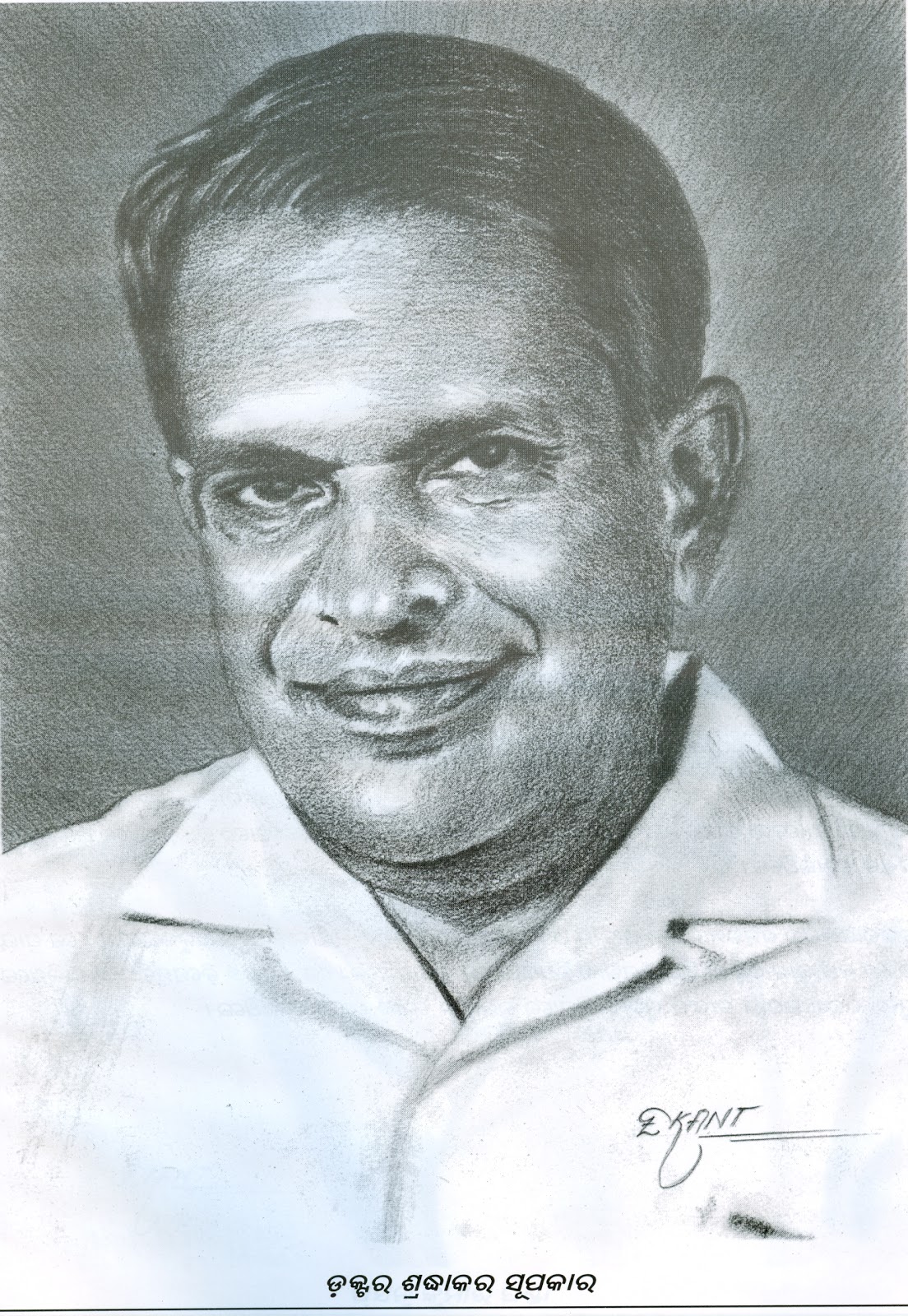
Dr Shraddhakar Supkar

A case was filed on 3rd April, 1950 in Sambalpur Munsif Court. This is the first- ever court  case on water pollution in India, also in the world. The petitioners were  the representatives living on the bank of river IB. And the authority of Orient Paper Mill was the defendant. Hon’ble Munsif directed the authority not to discharge highly polluted wastes of the paper mill into the river water. The mill authority preferred an appeal in the court of the sub-judge. The sub-judge dismissed the appeal. Again the owner filed an appeal before the Hon’ble High Court. During the pendency of the appeal, the then Government of Odisha enacted The Odisha River Pollution Act 1953. This act is the first-ever act in India on water pollution. As per the act, the court could not decide any such matter related to the river water pollution. It would be only judged by a board nominated by the Government. There was no option left for the Odisha High Court.  The appeal was dismissed.  As per the order of the lower court, things could not be carried out. At present, petitioners are not there, nor the defendants. OPM has closed down forever.

The Orient Paper mill was established in 1940. After the establishment of the OPM, about 50000 villagers living on the river side could not use the polluted river water. The polluted and poisonous particles released from the mill were released  to the IB river directly. The representatives  of the villagers requested the mill authority not to release the polluted wastes directly into the river. But the authority did not pay heed to the request of the villagers rather they went on expanding the mill. Gradually, pollution grew more and more. The then Odisha government was in support of the mill owner and that was the reason the mill authority ignored the public interest and their complaints.
Discussion started in the floor of the Odisha Legislative Assembly regarding the illegal action (Ib water pollution) of the paper mill. On 10th march 1949, the then minister in charge, while answering to the question of  Shraddhakar Supkar said,  ‘The government. feels that the river water is being polluted because of the discharge of  polluted waste materials from the paper mill. It is no more suitable for drinking and bathing purpose.’ The minister also intimated that government has provided 23 acres of land to the mill authority for the purpose of setting up a water filtration plant.  The MLAs  Shraddhakar Supkar, Dinabandhu Sahu, Laxminarayan Mishra, Sarangdhar Das, Baibhav Charan Mohanty, Uma Charan Pattnaik  took part in the said discussion in the assembly. Irespective of party politics, most of the MLAs demanded that the government  should take a bold  step towards the solution of Ib water pollution.
The Revenue Divisional Commissioner B.Shivaraman on  2nd Feb 1950 visited the site . After his visit, he sent his report directly to the chief minister. He directed  the Director of Public Health and Director of Industries to submit a final report after a thorough investigation on this matter. The Revenue Commissioner in his report had mentioned, ‘The mill authority should take care that the polluted wastes of the mill should not mix with the river water directly. Experts’ opinion is urgently needed for immediate solution.’ The Director of Industries M.L. Narasinghya and a professor of All India Institute of Hygiene and Public Health, Subramanian submitted their investigation reports on the mater. Both the experts remarked that the waste unhygienic materials  released from the mill was polluting the Ib river water. They advised not to release those waste materials directly into the river. They should make a water filtration plant.
Though the state government provided 23 acres of land at a much lower price to the paper mill in 1947, the mill authority did not take any initiative towards the establishment of the filtration plant. During that period many well known persons, social workers, doctors, news reporters of Sambalpur visited the site. They protested against the pollution of river water. It was discussed in the legislative assembly. Many of the members of the legislative assembly demanded some highly effective measures.  But the government became a silent observer only.
On 13th march 1950 , Shraddhakar Supkar sent an application to the Advocate General of Odisha with a prayer requesting him that he may be allowed to file a case regarding the Ib water pollution in the court of the Munsif at Sambalpur for public nuisance. On 14th march 1950, the Advocate General granted his application with a written permission for the same. It was essential to take permission at that time.
 On 3rd April 1950,  Shraddhakar Supkar filed a petition on the Ib water pollution in the Munsif court. In his petition he requested to grant a stay order  against the release of waste materials  to river Ib. Three more persons were there as petitioners. They were the gauntias of Mangalpur, Purushottam Hota, Navin Chandra Pandey of Tihura and Arjun Panda of Saplahara. The Hon’ble Munsif  Khageswar Mohanty passed an interim stay order that OPM cannot release its waste matter in the river Ib until further order.  OPM prayed for the withdrawal of the stay order granted by the court. The court did not do so.
On 19th June 1950,  Shradhakar Supkar complained in the Munsif Court that the mill authority was disobeying the order of the court. Bharat Chandra Naik and Bhagwan Mishra requested that strict action should be  taken  against  OPM for the contempt of the court order. In this case, people  like Dr.Bimbadhar Pujhari,  Dr.Bhabani Shankar Padhi, Parameswar Panda, Brundaban Nanda, Chintamani Hota, Ramadhin Dubey, Karunakar Panda, Brundaban Pujhari and Brajmohan Behera produced their evidence in favour of the petitioners of this water pollution  issue. From the beginning till the end, Bodharam Dubey was helping them out consistently.
 On March 31st1952,  Hon’ble  Munsif  made the interim stay order permanent. He ordered the defendant to deposit Rs 200/- as cost of the proceeding. The mill authority filed an appeal in the sub judge court against the order of the learned Munsif. On October 6, 1952 the sub judge dismissed the appeal and ordered to deposit Rs 100/- as the cost of the proceedings. Again the mill authorities  filed an appeal in the High Court against the    (3)    order of the sub judge. During the pendency of the appeal government passed the Odisha River Pollution Act in 1953 in the Odisha legislative assembly. The bill contained that court cannot decide any case related to river water pollution. A board would be formed consisting of the members nominated by the government. There would be four government and four non-government members  in the board and the board would decide the case.
Shraddhakar Supkar, the then leader of opposition protested again in the house. Then the bill was sent to the select committee. Fakir Charan Das, the member of the select committee and the legislators gave their resignation from the committee alleging that the bill was against public welfare and was meant for the interest of a particular mill owner.
On 30th October 1953, the OPM authority filed an appeal in the Hon’ble High Court. As the Odisha pollution Act was passed the high court dismissed the appeal on 20th November 1953. As per the Act,  the court cannot decide on any dispute on the matter of river water pollution.
After filing the petition relating to the pollution of Ib water, the Odisha government passed the bill for river water pollution for the first  time. There is no doubt that the law was fabricated to keep the selfish interest of the defendant, though the government admitted that IB river water was getting polluted by the affluent  discharged by the said  industry.  Had the government wished, the problem of pollution could have been solved. But the government did not want to solve the issue of water pollution. The petitioners are no longer there, nor are the defendants. OPM have closed down forever for  some unknown reason. The first ever  court case on water pollution in India by Shraddhakar Supkar  Ex MP  has gone unnoticed  into history.

Dr Shraddhakar Supkar